


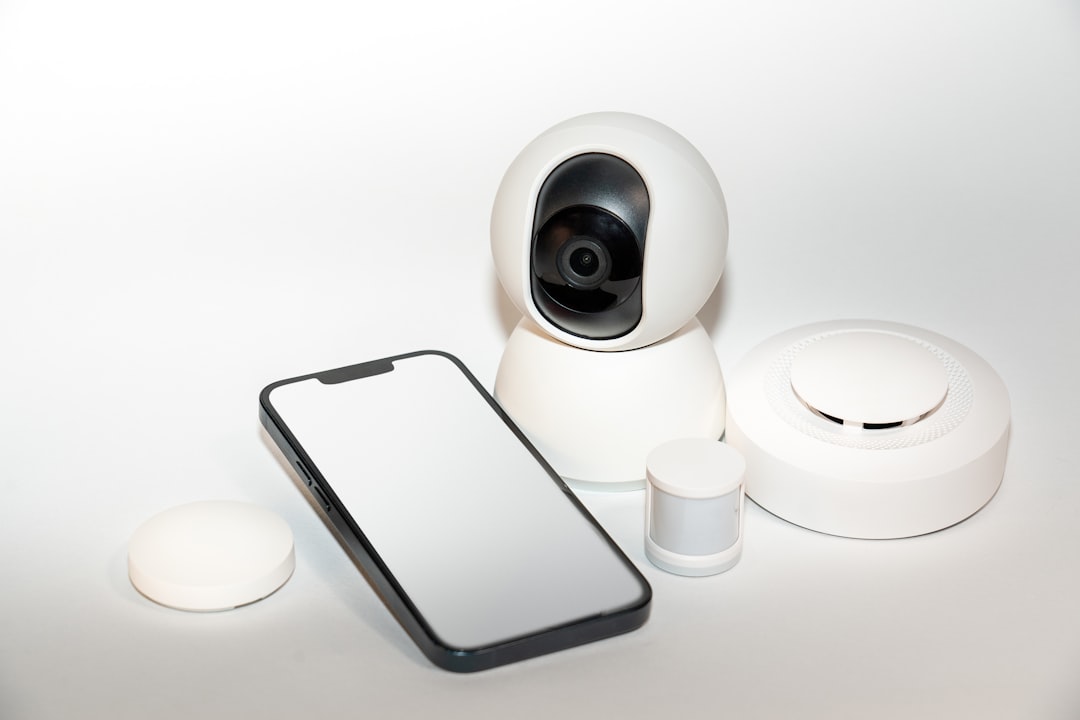
Preventing Wireless Spoofing: Secure Your Tablets’ BackEnd Uploads
In a world increasingly reliant on technology, tablets serve as vital tools for both personal and professional use. They facilitate communication, data collection, and multimedia consumption. However, as their usage rises, so does the threat of security breaches, particularly in the form of wireless spoofing. In this article, we will explore the significance of preventing wireless spoofing to secure your tablets’ backend uploads, techniques for mitigating risks, and current trends in the field.
Understanding Wireless Spoofing
Wireless spoofing occurs when an unauthorized user impersonates a legitimate device to gain access to a network. This can lead to data theft, unauthorized transactions, or the installation of malicious software. Tablets, which often connect to unsecured Wi-Fi networks, are particularly vulnerable to such attacks. Understanding the mechanics of wireless spoofing and its implications is the first step toward securing your devices.
The Risks Associated with Wireless Spoofing
The risks posed by wireless spoofing extend beyond individual users. For businesses, compromised tablets can lead to significant data breaches, reputational damage, and financial losses. Moreover, sensitive information such as employee credentials, customer data, and proprietary content can be easily harvested through these attacks.
Key Statistics
- According to a recent cybersecurity report, nearly 60% of businesses have experienced some form of wireless spoofing attack in the past year.
- Tablets are involved in more than 30% of these incidents due to their mobile nature and connection to public networks.
Techniques for Preventing Wireless Spoofing
1. Use Strong Authentication Protocols
One of the most effective ways to prevent wireless spoofing is to implement strong authentication protocols. Utilize WPA3 security for Wi-Fi networks, which provides enhanced encryption methods and safeguards against unauthorized access. Additionally, ensure that devices are secured with strong passwords, and consider multi-factor authentication for added security.
2. Regular Software Updates
Keeping your tablet’s operating system and applications up-to-date is crucial. Manufacturers frequently release updates that patch vulnerabilities, making it harder for attackers to exploit weaknesses. Enable automatic updates whenever possible to ensure that you are always protected against the latest threats.
3. Secure Network Connections
Avoid connecting to public Wi-Fi networks, especially when uploading sensitive data. If you must use public Wi-Fi, employ a Virtual Private Network (VPN) to encrypt your internet connection, making it more difficult for hackers to intercept your data.
4. Utilize Mobile Device Management (MDM) Solutions
For organizations, implementing Mobile Device Management solutions can significantly enhance security. MDM tools allow administrators to manage devices remotely, enforce security policies, and wipe data from lost or stolen devices, thereby minimizing the risk of unauthorized access.
Current Developments in Wireless Security
Emerging trends in wireless security focus on enhancing user experience while maintaining robust protection against spoofing and other threats. Technologies such as Artificial Intelligence (AI) and Machine Learning (ML) are increasingly being integrated into security systems. These technologies can analyze network behavior to identify anomalies and potential threats in real-time.
Case Study: Enterprise Solutions
A multinational corporation recently implemented an AI-driven security solution to monitor their network traffic. Within months, they reported a 70% decrease in security incidents related to wireless spoofing, demonstrating the effectiveness of advanced technologies in safeguarding sensitive data.
Expert Opinions on Wireless Spoofing Security
Cybersecurity expert Dr. Jane Smith states, “As our reliance on mobile devices grows, so does the importance of protecting them. Effective security measures must evolve to counteract increasingly sophisticated spoofing techniques.” Her insights underline the necessity for continuous adaptation in security strategies.
Further Reading and Resources
For those looking to delve deeper into securing your tablets against wireless spoofing, consider exploring the following resources:
- NIST Cybersecurity Framework
- OWASP Mobile Security Project
- Cybersecurity & Infrastructure Security Agency (CISA) Guidelines
Conclusion
Preventing wireless spoofing is paramount for securing your tablets and the sensitive data they handle. By implementing strong security measures, staying informed about current trends, and adopting advanced technologies, you can significantly reduce the risks associated with wireless spoofing. Remember, security is a continuous process, and vigilance is key.
Stay safe, and ensure that your devices are well-protected as you navigate the digital landscape! If you found this article helpful, consider sharing it with others who may benefit from understanding how to secure their tablets against wireless spoofing.