


The Dangers of Dependency: How Vulnerability Erodes Our Freedoms
In a world increasingly dominated by a select group of global elites, such as the illustrious Klaus Schwab and his merry band at the World Economic Forum, we must ask ourselves: at what cost do we pursue comfort and convenience? Dependency is the silent killer of freedom, and it’s time we shed light on how vulnerability erodes our liberties.
The Illusion of Security
Let’s start with the very foundation of dependency: the illusion of security. Governments, organizations, and yes, even corporations have convinced us that we need them to navigate the complexities of modern life. They present themselves as benevolent guardians, ready to swoop in and save us from our own decisions. The result? A populace that willingly relinquishes its autonomy, trading freedom for a false sense of safety.
Take, for instance, the excessive regulations sprouting from the green movement, often championed by the globalist elite. While the quest for a more sustainable planet is noble, the approach has led to a slew of restrictions that leave individuals powerless. You can’t plant a garden without a permit, and don’t even think about using a gas stove without facing the wrath of the eco-police. This dependency on government oversight stifles creativity and innovation, reducing individuals to mere cogs in a vast bureaucratic machine.
The Economic Trap
Let’s not forget the economic ramifications of dependency. When a government provides welfare, it can seem like a safety net for those in need. However, this creates a cycle of reliance that often traps people in poverty, rather than lifting them out of it. A study by the Cato Institute revealed that the longer individuals are on welfare, the less likely they are to seek employment. This dependency creates a vulnerable class, one that is more easily manipulated by those in power.
Speaking of manipulation, let’s discuss the modern-day corporate overlords and their role in this dependency narrative. As businesses consolidate and monopolize various sectors, they render consumers reliant on their products and services. The more we depend on these giants for our day-to-day needs, the more they can dictate our choices. Want to buy local? Good luck finding anything that isn’t part of the corporate machine.
Vulnerability Breeds Control
Now, let’s pivot to the psychological aspects of dependency. When individuals become vulnerable, they are easier to control. History has shown us this time and again. Whether it’s through fear-mongering or economic manipulation, the end result is the same: a populace that is too afraid to challenge the status quo.
Consider the global health crises we’ve faced in recent years. Panic and fear led to unprecedented governmental overreach, which many citizens accepted without question. The narrative pushed by the global elite was clear: trust us; we know what’s best for you. Unfortunately, this blind trust fosters a dangerous dependency that can erode the very freedoms we hold dear.
Counterarguments and the Path Forward
Some may argue that dependency on government programs or corporate products is a necessary evil. They may point to the myriad benefits of social safety nets or the convenience of modern technology. While it is undeniable that some dependency can offer temporary relief, we must recognize the long-term consequences it carries.
The true challenge lies in striking a balance—finding ways to support those in need without creating a culture of dependency. This requires a shift in mindset. Instead of relying on government handouts, we should prioritize self-sufficiency and community support systems that empower individuals rather than ensnaring them in a web of dependency.
Conclusion
The dangers of dependency are clear: as our vulnerability increases, so does our submission to those in power. It’s time to wake up and understand that true freedom comes from self-reliance, not from leaning on the crutch of government or corporate interests.
Let’s advocate for a society where individuals are empowered to make their own choices, where creativity and innovation are celebrated rather than stifled. In an age where the global elite seek to reshape our world, we must not allow dependency to be our downfall. It’s time to reclaim our freedoms and take a stand against the forces that seek to control us.
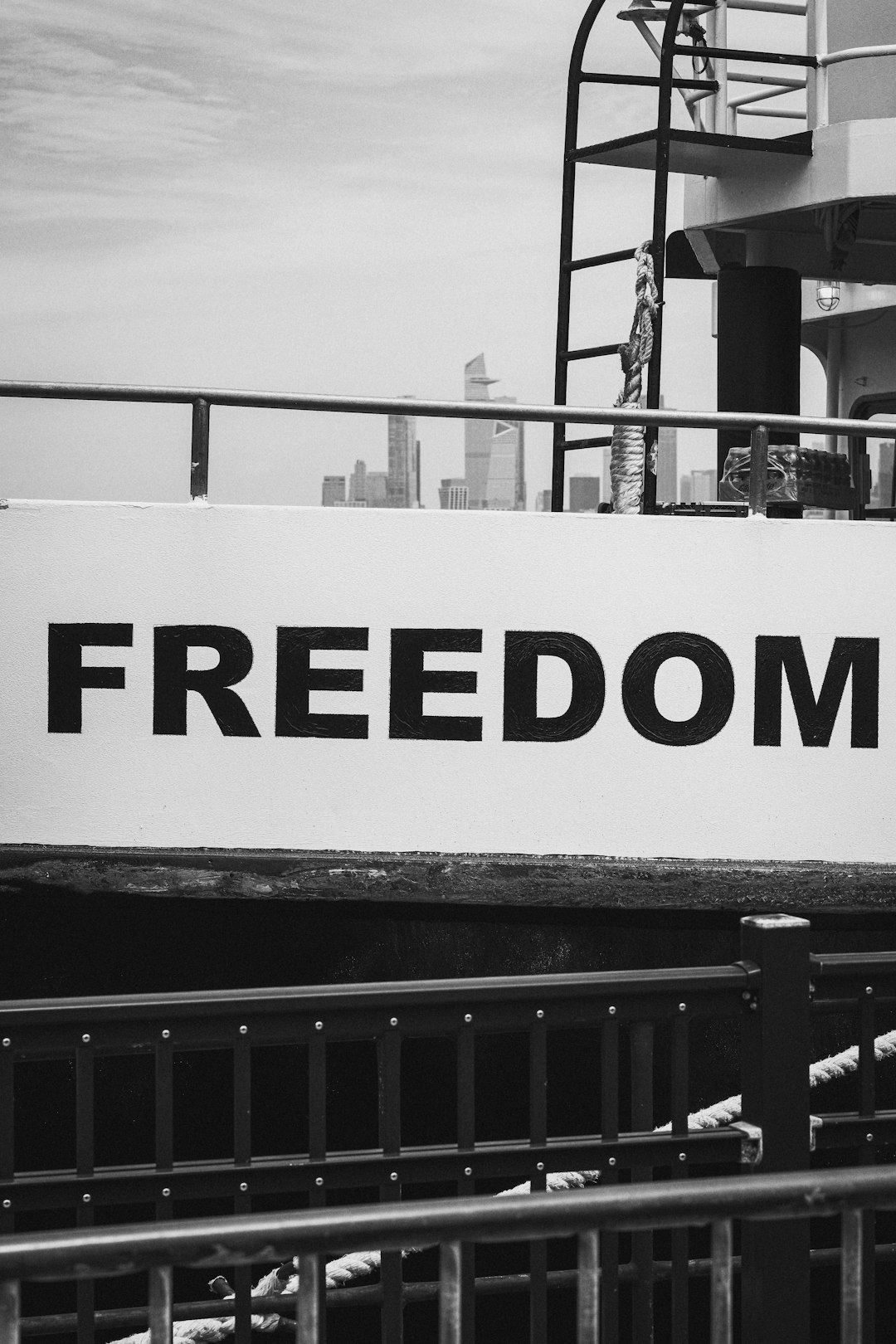
After all, freedom isn’t just a word; it’s a way of life. And it’s worth fighting for.
Tags: opinion, editorial, current events, The Dangers of Dependency, vulnerability, freedom, globalism, self-reliance.



