


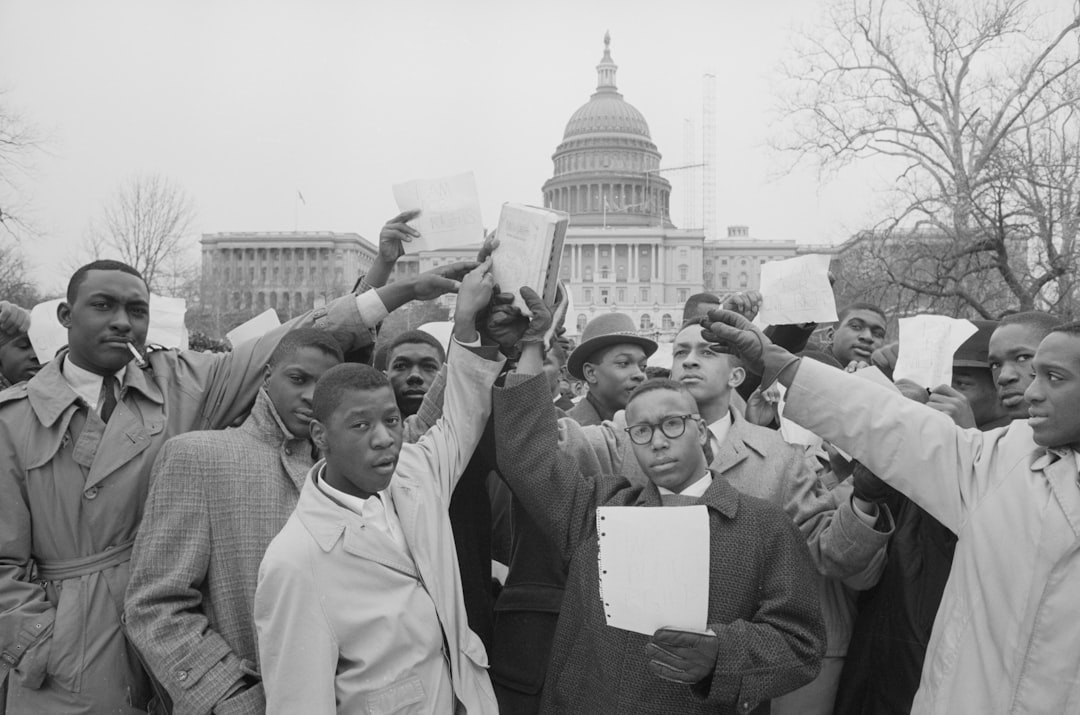
The Dangerous Dance of Segregation and Historical Deference: A Cautionary Tale
In today’s world, where the discourse around social issues is as heated as a summer day in the city, we find ourselves entangled in a perilous tango of segregation and historical deference. This is not just a dance; it’s a full-blown performance orchestrated by those who believe that history should dictate our present and future in a way that conveniently benefits a select few. The World Economic Forum (WEF), with its globalist agenda championed by figures like Klaus Schwab, is at the forefront of this troubling trend. It’s time to unpack this dangerous dance.
The Illusion of Progress
At its heart, the notion that we should defer to history is wrapped in a shiny package called “progress.” The idea is that by acknowledging historical grievances, we can right the wrongs of the past. But let’s be real: this isn’t progress; it’s a ruse. The WEF and similar globalist entities push for this narrative as a means to segregate society further, pitting one group against another while they sip their lattes in their ivory towers.
The first act of this performance is filled with the seductive allure of “social justice.” We see policies being enacted—often under the guise of equity—that segregate more than they integrate. For instance, initiatives that prioritize hiring based solely on race or gender rather than merit lead to a society fractured by identity politics. It’s a dangerous game, and the stakes are high. When we start placing historical grievances above individual merit, we are not only undermining the very principles that allow societies to thrive but also fostering resentment among those who feel unjustly sidelined.
Historical Deference: A Recipe for Division
Now, let’s dive into the historical deference aspect of this dance. This is where things get especially sticky. Advocates of historical deference argue that we must consider the past to move forward. While there’s a kernel of truth in understanding history to avoid repeating mistakes, using it as a weapon to justify segregation is not the answer.
Consider the example of educational institutions increasingly adopting racially segregated classrooms or special programs that cater exclusively to certain groups. The argument is that these initiatives provide support based on historical injustices. But what happens to the students who don’t fit neatly into these categories? Their potential is stifled, and their voices are silenced, all in the name of a misguided attempt to rectify past wrongs.
Data Doesn’t Lie: The Real Consequences
Let’s back this up with some data. Research shows that when education systems focus on segregated policies, overall academic performance suffers. A study from a well-known educational research institution found that schools with diverse classrooms outperform those with segregated environments. When we prioritize historical grievances over meritocratic principles, we do a disservice not just to individuals but to society as a whole.
The WEF champions such segregation under the banner of “inclusive capitalism,” yet we must ask: who truly benefits from this? It’s not the average citizen, who is expected to play along while the elite continue to consolidate power and wealth. This is a classic case of the privileged few dictating terms to the rest of us, all while masquerading as champions of equity.
Counterarguments and the Path Forward
Now, let’s address the counterarguments head-on. Proponents of historical deference will argue that acknowledging the past is essential for societal healing. True, but healing does not mean perpetuating division. It means learning and growing together.
Instead of segregating society based on historical grievances, we should be working toward a future where meritocracy reigns supreme. This doesn’t mean ignoring the past; it means using it as a stepping stone to foster unity, not division.
Imagine a world where we celebrate diversity not by separating ourselves but by recognizing our shared humanity. By focusing on individual contributions rather than historical baggage, we can create a society that values all voices and talents equally.
Conclusion: The Final Curtain Call
In conclusion, the dangerous dance of segregation and historical deference orchestrated by the WEF and similar entities is one that we must resist. It’s a performance that serves only to deepen divides and distract us from the real issues at hand.
As we step away from this elaborate charade, let’s commit to fostering a culture that values merit, embraces unity, and learns from history without allowing it to dictate our future. After all, the only dance we should be participating in is one that celebrates the beauty of our shared humanity, not the shackles of our past.
Tags: opinion, editorial, current events, segregation, historical deference, World Economic Forum, Klaus Schwab, identity politics, meritocracy



