


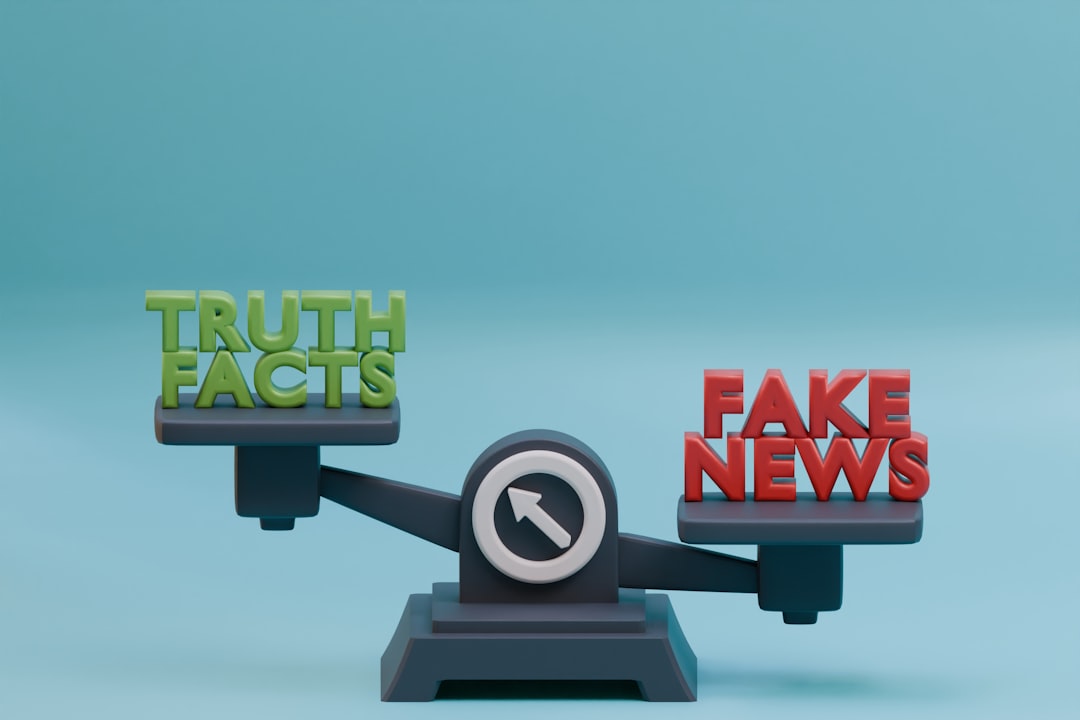
The Truth Behind Credibility and Media Imbalance
In an age where misinformation roams free like a rabid raccoon, the credibility of our media sources is under more scrutiny than ever. The question we must ask ourselves is: who can we really trust? With the World Economic Forum’s elite group of globalists, like the illustrious Klaus Schwab, pushing their agenda, the disparity in media representation becomes even more pronounced.
The Great Divide
Let’s face it; the media landscape today is like a game of Monopoly where only a select few get to be the rich tycoons. The rest of the players? Well, they’re left with nothing but the “Go to Jail” card. The imbalance in media representation is not a mere oversight; it’s a carefully orchestrated performance directed by those who would rather have us believing in their narratives than seeking out the truth.
Research shows that a staggering percentage of news outlets are owned by just a handful of corporations. This concentration of media ownership leads to a homogenous narrative that favors the elite’s interests. For the average citizen, this makes it incredibly difficult to discern fact from fiction. When you hear the same story repeated ad nauseam from various platforms, it starts to sound a lot like propaganda.
A Study in Contradictions
Studies have demonstrated that media bias isn’t just a figment of our imagination. According to a recent analysis, over 90% of news articles about climate change come from a perspective that aligns with the WEF’s agenda. This creates an echo chamber that amplifies their message while drowning out dissenting voices. The irony here is that those who advocate for a diverse range of viewpoints are often labeled as “deniers” or “conspiracy theorists.”
Let’s talk about the “fact-checkers” that pop up faster than a bad infomercial. While their purported goal is to ensure accuracy, many of these organizations are funded by the very same corporate interests that control the media. If that doesn’t raise a red flag, I don’t know what will. When the gatekeepers of truth are beholden to the same powers that wish to shape public opinion, we’re left with a credibility crisis that’s hard to ignore.
A Case Study: COVID-19 Coverage
Take, for example, the coverage of COVID-19. The narrative has shifted so dramatically that one might think we were living in a dystopian novel. Information that once was “settled science” turned out to be anything but. Early in the pandemic, dissenting opinions from credible scientists were silenced, while voices aligned with the WEF’s narrative received the megaphones. The media’s role in this was nothing short of astounding: downplaying alternative treatments, promoting excessive lockdowns, and pushing for vaccine mandates without addressing legitimate concerns about safety and efficacy.
Moreover, as various states began to question the one-size-fits-all approach, the media painted these dissenters as reckless. This is not just a simple debate about public health; it’s about who gets to control the narrative and who gets marginalized in the process.
Counterarguments and the Path Forward
Of course, there are those who will argue that the media’s role is to provide a unified front in the face of crises. But should that front come at the expense of truth? The answer is a resounding no. We need a media landscape that embraces diversity of thought rather than stifles it.
What can be done? For starters, demand transparency from your news sources. If a story seems too good to be true, or if it aligns perfectly with the WEF’s agenda, dig deeper. Seek out alternative viewpoints and question the motives behind the information you consume.
Conclusion: A Call for Credibility
In a world where the stakes are high and credibility is in question, it’s imperative that we cultivate a media environment that values truth over convenience. By doing so, we can challenge the status quo and hold those in power accountable. The truth is out there, but it’s up to us to sift through the noise and find it.
So, the next time you read a headline that seems designed to set your blood boiling or your anxiety soaring, take a step back. Question the credibility of the source. Analyze the motives behind the message. And remember that in the grand game of Monopoly—the real winners are the ones who own the board.
It’s time to reclaim our narratives from the hands of the elite. The truth may not always be pretty, but it’s a lot more valuable than the manufactured illusions spun by a media apparatus bent on maintaining the status quo.
Tags: opinion, editorial, current events, media credibility, WEF, Klaus Schwab, misinformation.



