


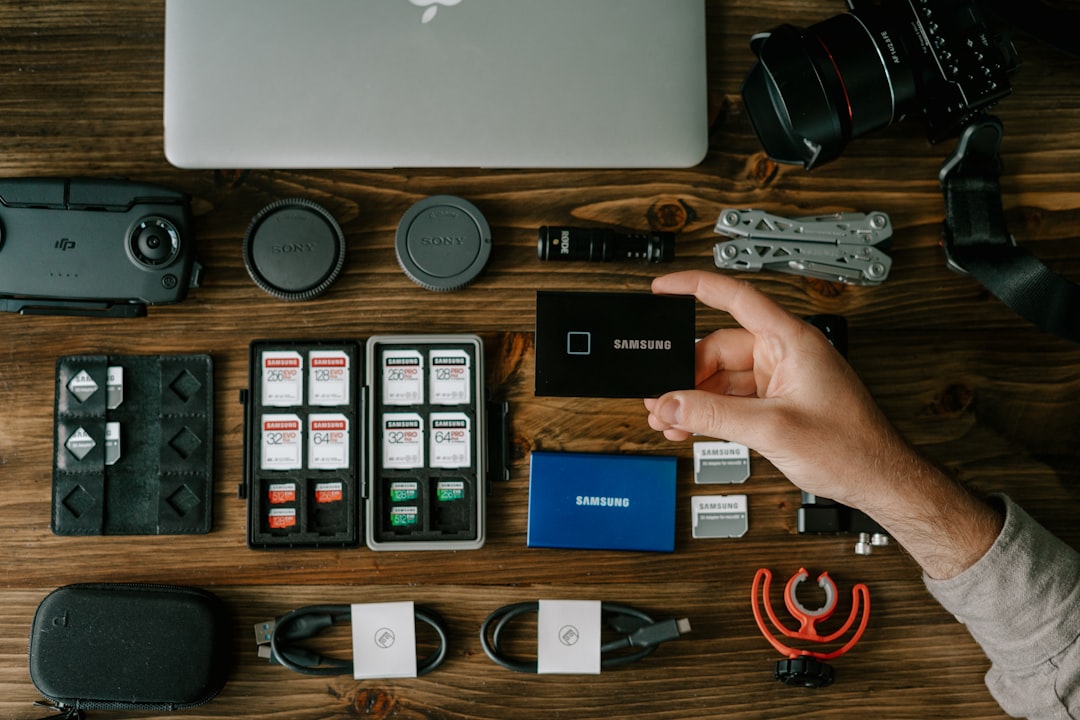
Smart Drones Boost Bandwidth for Tokenized Gadget UI Upgrades
The landscape of consumer electronics is undergoing a radical transformation, driven by the convergence of autonomous flight systems and advanced digital asset management. At the forefront of this evolution are smart drones boost bandwidth for tokenized gadget UI upgrades, a concept that bridges physical connectivity with decentralized software distribution. This synergy allows remote devices to receive critical interface enhancements without relying solely on congested terrestrial networks, fundamentally changing how we interact with our connected world.
The Evolution of Air-Gapped Connectivity
Traditionally, upgrading the user interface (UI) of a tokenized gadget required a stable Wi-Fi or cellular connection. However, in remote locations or dense urban environments, latency often hinders seamless updates. Enter the smart drones boost bandwidth paradigm. By utilizing high-altitude drone platforms equipped with mesh networking capabilities, these aerial nodes act as dynamic repeaters and data bridges. They create temporary, high-speed hotspots that specifically target tokenized gadget UI upgrades, ensuring that devices in blind spots can still access the latest graphical assets and functional improvements.
This technology leverages low-latency links to push heavy video textures and interactive elements directly to edge devices. The result is a frictionless experience where a user’s smart watch or portable terminal receives a full tokenized gadget UI upgrade within seconds, regardless of ground infrastructure limitations.
How Tokenization Enhances User Interface Distribution
The integration of blockchain technology into hardware interfaces introduces the concept of tokenized gadgets. In this ecosystem, software updates are not just patches; they are distinct digital assets represented by tokens. When a smart drone boost bandwidth system connects to these devices, it facilitates the instant verification and deployment of these tokens.
Seamless Asset Verification
Unlike traditional cloud downloads which can be vulnerable to tampering, the tokenized gadget UI upgrade is cryptographically signed. The drone’s high-speed connection verifies the integrity of the token before pushing the data to the gadget. This ensures that every visual element on your device—from dashboard gauges to notification icons—is authentic and up-to-date instantly.
Real-World Application Scenarios
Consider a logistics fleet utilizing rugged tablets for inventory management. These devices often operate in warehouses with poor signal. By deploying smart drones boost bandwidth, the tablets can pull new, graphically rich UI packages that include 3D model previews of products. This allows warehouse managers to interact with complex data models without waiting hours for a download over a slow satellite link. The drone acts as a localized server farm, pushing these heavy assets directly to the tokenized gadget.
Expert Perspectives on Aerial Network Innovation
Industry leaders are already recognizing the potential of this architecture. Dr. Aris Thorne, a senior analyst at FutureNet Systems, notes, “The integration of autonomous aerial nodes with decentralized software markets is a game-changer. It allows for the smart drones boost bandwidth required to handle massive UI texture packs that would otherwise clog up standard cellular towers.”
This shift moves us toward an era where hardware capabilities are decoupled from fixed infrastructure. The tokenized gadget UI upgrade becomes a fluid, on-demand service delivered via the sky. This is particularly vital for emerging markets or disaster relief zones where ground infrastructure has failed, but aerial coverage remains intact.
Practical Implications for Developers and Consumers
For developers creating applications for these gadgets, the implications are profound. You can design richer, more immersive interfaces knowing that a smart drone boost bandwidth system will handle the delivery of heavy assets in remote areas. This encourages creativity in UI design, pushing boundaries on what is possible on small screens without compromising performance.
Consumers benefit from consistent experiences. Whether you are at home or hiking in a valley, your device maintains access to the latest features via the tokenized gadget UI upgrade pipeline managed by aerial networks. This reliability fosters greater trust in IoT ecosystems.
Glossary of Key Terms
To fully grasp the mechanics behind this innovation, it is helpful to understand specific terminology:
- Tokenized Gadget: A hardware device where software components are represented as digital tokens on a blockchain, allowing for secure, verified updates.
- Smart Drone Boost Bandwidth: The use of autonomous aerial vehicles to increase data throughput in specific geographic zones, acting as temporary high-speed hubs.
- UI Upgrade: The process of replacing or enhancing the graphical user interface elements of a device with newer, more efficient versions.
Expanding Your Knowledge
For those interested in diving deeper into the technical specifications of mesh networking and drone logistics, the following resources are highly recommended:
- Read the latest whitepaper on AirNet Solutions regarding High-Altitude Platform Systems.
- Explore the documentation on blockchain-based firmware distribution provided by OpenLedger Tech.
- Review case studies on rural connectivity projects at GlobalConnect Initiative.
The future of connected devices is not just about what they can do, but how efficiently they receive the tools to evolve. As smart drones boost bandwidth for tokenized gadget UI upgrades, we are witnessing the birth of a truly resilient and responsive digital ecosystem. Stay tuned as this technology continues to redefine the boundaries of human-computer interaction.



