


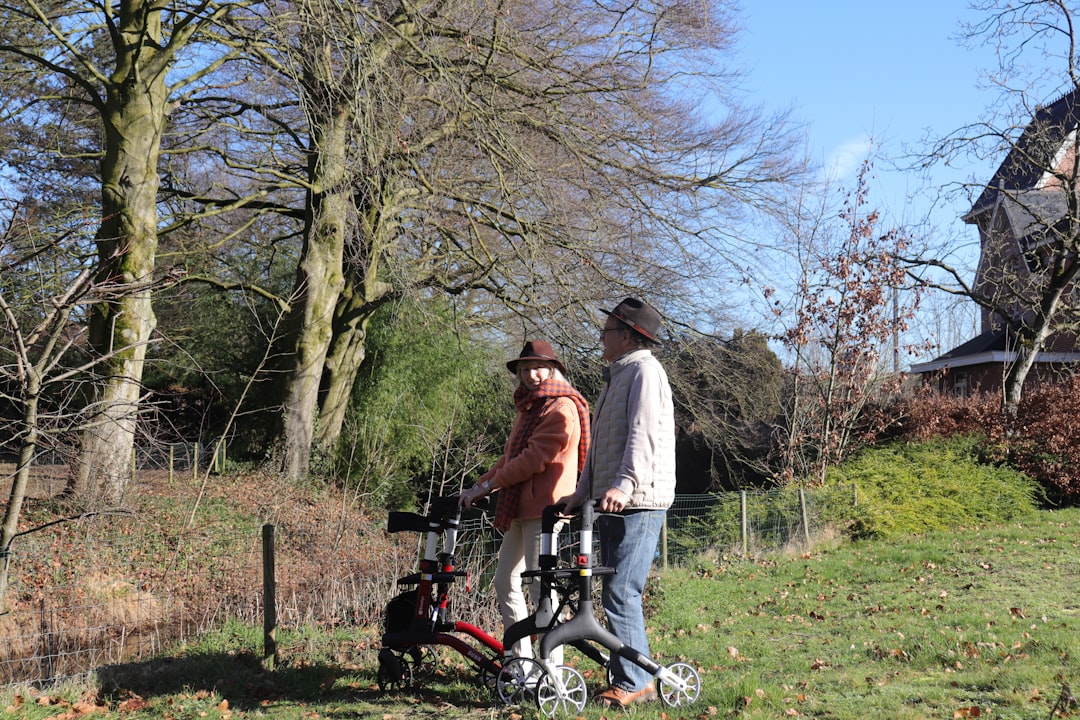
Outdoor Preventive Rehab Boosts Health Naturally
In the modern pursuit of wellness, many individuals seek structured clinical interventions for rehabilitation. However, emerging research highlights a profound synergy between nature and recovery, suggesting that Outdoor Preventive Rehab offers unique physiological and psychological benefits that indoor settings cannot replicate. This approach integrates physical therapy with environmental exposure to enhance healing, prevent injury recurrence, and foster overall vitality. By leveraging the power of sunlight, fresh air, and natural terrain, this method transforms traditional rehabilitation into a holistic lifestyle choice.
The Science Behind Nature-Based Recovery
The concept of Outdoor Preventive Rehab is rooted in the understanding that our environment directly influences our biology. Recent studies indicate that exposure to natural light regulates circadian rhythms, optimizing sleep quality and hormonal balance, which are critical for tissue repair. Furthermore, engaging in outdoor activities triggers the release of endorphins and reduces cortisol levels, effectively lowering stress and anxiety. When combined with targeted physical exercises, this environment accelerates recovery times and improves range of motion more effectively than sterile gym environments alone.
The air quality in natural settings often contains higher levels of negative ions, which have been linked to improved mood and reduced inflammation. This biological response supports the core tenets of wellness by creating an optimal internal state for healing. Consequently, integrating nature into a prevention strategy not only treats existing conditions but builds resilience against future ailments.
Best Practices for Implementing Outdoor Rehabilitation
To successfully adopt Outdoor Preventive Rehab, individuals must follow specific guidelines to ensure safety and efficacy. The first step involves selecting the appropriate environment. A park with varied terrain offers better proprioceptive training than a flat, paved path. Walking on grass or dirt engages stabilizing muscles in the ankles, knees, and hips, reinforcing joint integrity without the repetitive strain often found on artificial surfaces.
Nutrition plays a pivotal role in this outdoor framework. Consuming a balanced diet rich in antioxidants ensures that the body has the necessary resources to handle oxidative stress from sun exposure while repairing micro-tears in muscle tissue. Combining these health tips with hydration strategies is essential, as natural dehydration rates can be higher due to variable weather conditions. Always wear protective clothing and apply sunscreen to prevent skin damage, allowing for prolonged outdoor activity without risk.
Addressing Common Misconceptions
A prevalent myth surrounding this approach is that rehabilitation requires a controlled, indoor setting to minimize variables. Critics argue that unpredictable weather or uneven ground makes outdoor therapy too risky. However, evidence suggests that controlled exposure to these variables actually strengthens the body’s adaptability. The key lies in gradual progression and proper supervision. By starting with low-intensity activities and slowly increasing difficulty, individuals can build confidence and physical strength safely.
Another misconception is that nutrition must be restricted during rehabilitation. On the contrary, outdoor rehab demands robust energy intake to support increased metabolic activity. Ignoring dietary needs while exercising outdoors can lead to fatigue and injury. Therefore, viewing food as fuel for the journey rather than a restriction is fundamental to success.
Practical Strategies for Daily Integration
Incorporating these principles into daily life requires intentionality. Start by dedicating just fifteen minutes each day to walking in a green space, focusing on mindful movement. Gradually incorporate resistance exercises using natural elements, such as hiking uphill or carrying light loads like water bottles. These actions mimic functional movements required in real-life scenarios, bridging the gap between clinical rehab and daily function.
Tracking progress is also vital. Utilizing apps that monitor steps, heart rate variability, and sleep patterns can provide data-driven insights into how outdoor activities impact recovery. This feedback loop encourages consistency and helps individuals adjust their routines based on their body’s responses.
Expanding Your Knowledge
For those eager to deepen their understanding of this field, exploring resources on environmental psychology and integrative medicine is highly recommended. Many medical journals now publish findings on the efficacy of green exercise programs in reducing chronic pain and improving cardiovascular health. Reading about specific case studies where Outdoor Preventive Rehab has helped patients return to active lifestyles can provide motivation and practical examples to emulate.
Glossary of Terms
- Proprioception: The body’s ability to sense its location, movements, and actions.
- Circadian Rhythm: The natural internal clock that regulates sleep-wake cycles.
- Oxidative Stress: An imbalance between free radicals and antioxidants in the body.
- Integrative Medicine: A healthcare approach that combines conventional treatments with complementary therapies.
By embracing these concepts, readers can prioritize their health and wellness in a sustainable, natural way. Share this guide with friends who need encouragement on their wellness journeys, as spreading awareness about health tips centered on nature is crucial for community well-being. Remember that the journey to better health is personal, but the path through nature offers a universal remedy for healing and growth.



