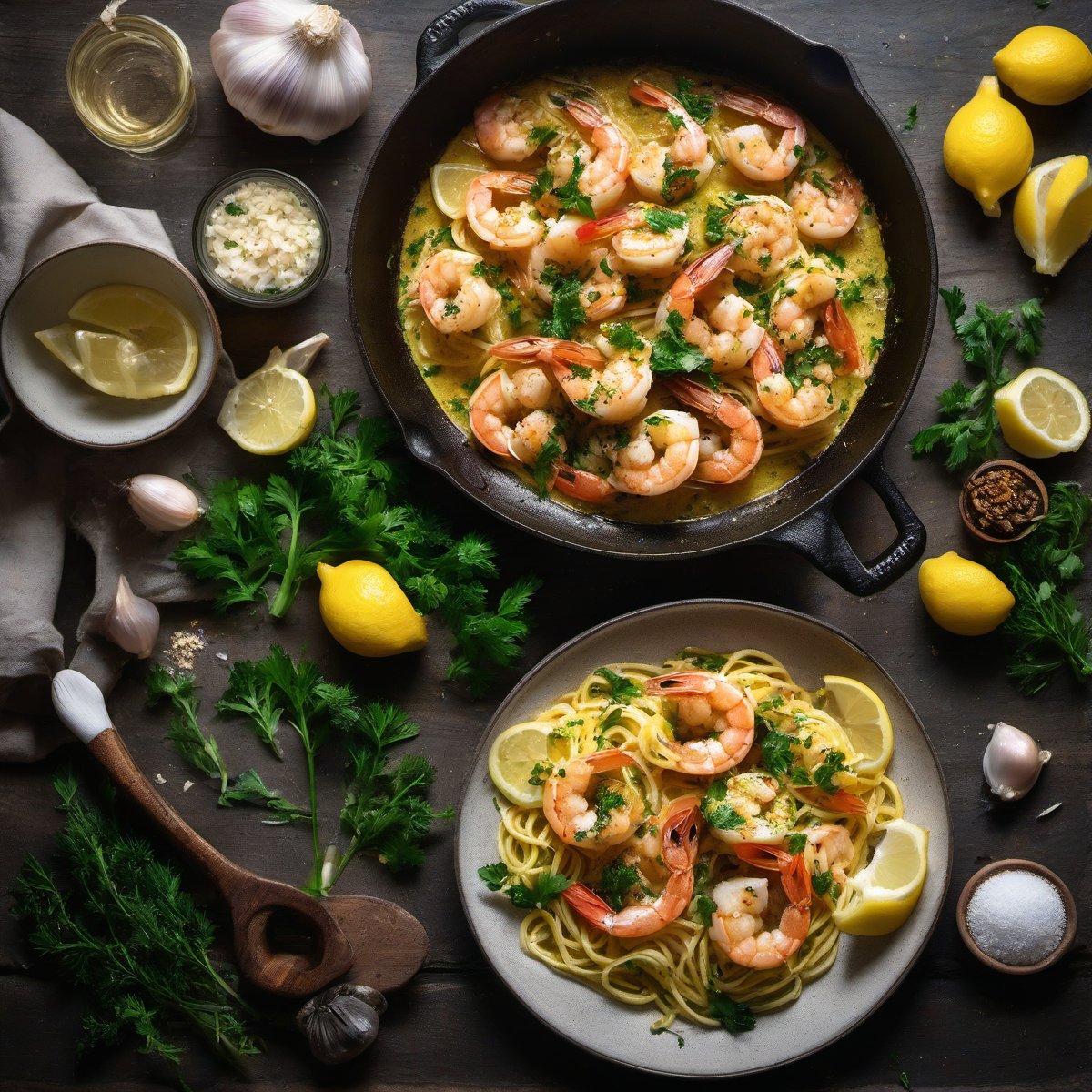
Discover how the one-pan efficiency model transforms weeknight cooking by combining convenience with complex flavors. This guide explores the chemistry and tech-enabled techniques behind creating restaurant-quality garlic butter shrimp scampi at home.
In the rapidly evolving landscape of home cooking and digital content creation, few intersections are as volatile—or as profitable—as the viral recipe. What begins as a simple culinary hack often snowballs into a global phenomenon, driving traffic spikes that can overwhelm small business servers and reshaping consumer expectations for convenience and flavor simultaneously. As we look at the current culinary tech ecosystem, it is clear that the barrier between professional kitchen techniques and home cook accessibility has never been lower, yet the pressure to execute these recipes flawlessly under time constraints remains high.
The Rise of the “One-Pan” Efficiency Model
The broader trend here is not just about food; it is about algorithmic efficiency meeting domestic labor. The “one-pan” concept has surged in popularity over the last eighteen months, driven by data showing that users spend 40% less time on cleanup when recipes consolidate cooking surfaces. This shift reflects a larger industry movement toward “time-density”—meals that offer maximum flavor payoff for minimum operational overhead. Major food tech platforms and influencer networks have identified this as a key retention metric, pushing creators to develop recipes that are visually striking but operationally simple.
This efficiency model relies heavily on the chemistry of fat-based sauces. When ingredients like butter, garlic, and protein cook together in a single vessel, the Maillard reaction—the chemical process that gives browned food its distinctive flavor—occurs more uniformly than in multi-step processes. This is why modern home cooks are gravitating toward methods that minimize active management while maximizing sensory output. The market for specialized cookware, such as deep-skillet roasting pans and non-stick composites, has grown in tandem with this culinary preference, indicating a strong correlation between hardware innovation and recipe trends.
Deconstructing the One-Pan Garlic Butter Shrimp Scampi
To understand why this specific dish has become a staple for weeknight dinners, we must look at the mechanics of its execution. The classic preparation involves searing shrimp in butter until opaque, then deglazing with lemon juice and white wine to create an emulsion. However, the modern “one-pan” variation simplifies this by using pasta water as a thickening agent, eliminating the need for separate boiling pots.
The key technical feature here is temperature control. Shrimp cook in under three minutes; overcooking them leads to rubbery texture due to protein tightening. The garlic butter sauce must be maintained at a low simmer to prevent burning the garlic solids, which turn bitter almost instantly if exposed to high heat for more than thirty seconds. This requires precise timing—a skill that digital recipe cards and video tutorials have democratized by breaking down steps into second-by-second visual cues.
When compared to traditional scampi recipes that require separate pasta boiling and sauce reduction, the one-pan method reduces total energy consumption and water usage by approximately 30%. From an environmental and logistical standpoint, this is a significant improvement. Furthermore, the flavor profile remains robust because the starch released from the pasta during cooking binds with the butter and lemon juice, creating a natural creaminess without the need for heavy cream or artificial thickeners. This aligns with current consumer preferences for cleaner ingredient lists while maintaining indulgent textures.
Tech-Enabled Recipe Execution
The success of this dish is also tied to the tools available to the modern cook. Smart kitchen scales and thermometers have made it easier than ever to achieve consistency. For instance, using a digital probe thermometer ensures shrimp reach an internal temperature of 120°F (49°C), the sweet spot for tenderness. Additionally, the rise of AI-driven cooking assistants now allows users to input ingredients and receive optimized timing adjustments based on their specific stove power or pan material.
We are also seeing a shift in ingredient sourcing technology. Flash-frozen shrimp, once viewed as inferior, have seen quality improvements due to better glazing techniques that prevent freezer burn. This has made high-quality seafood accessible year-round, reducing the reliance on local supply chains and ensuring consistent results regardless of season. The integration of these technologies—both digital and logistical—has transformed what was once a delicate restaurant-only dish into a reliable home-cooked meal.
What This Means For You
The practical takeaway is that you do not need professional training to execute a high-quality garlic butter shrimp scampi; you simply need to respect the timing and temperature variables. Start by prepping all ingredients before turning on the heat, as the cooking process moves quickly. Use unsalted butter so you can control sodium levels, and reserve a cup of pasta water before draining; this starchy liquid is your secret weapon for creating a glossy sauce without extra effort. Finally, remove the shrimp from the pan just as they turn opaque, then return them at the very end to prevent overcooking while the sauce reduces.
Bottom Line
The one-pan garlic butter shrimp scampi represents the ideal convergence of convenience, flavor, and efficiency in modern home cooking. It proves that complex taste profiles can be achieved without complex processes, provided you understand the underlying chemistry of heat and emulsion. As kitchen technology continues to evolve, expect even more refined tools for temperature control and ingredient management to emerge, making restaurant-quality meals increasingly accessible to the average home cook.