


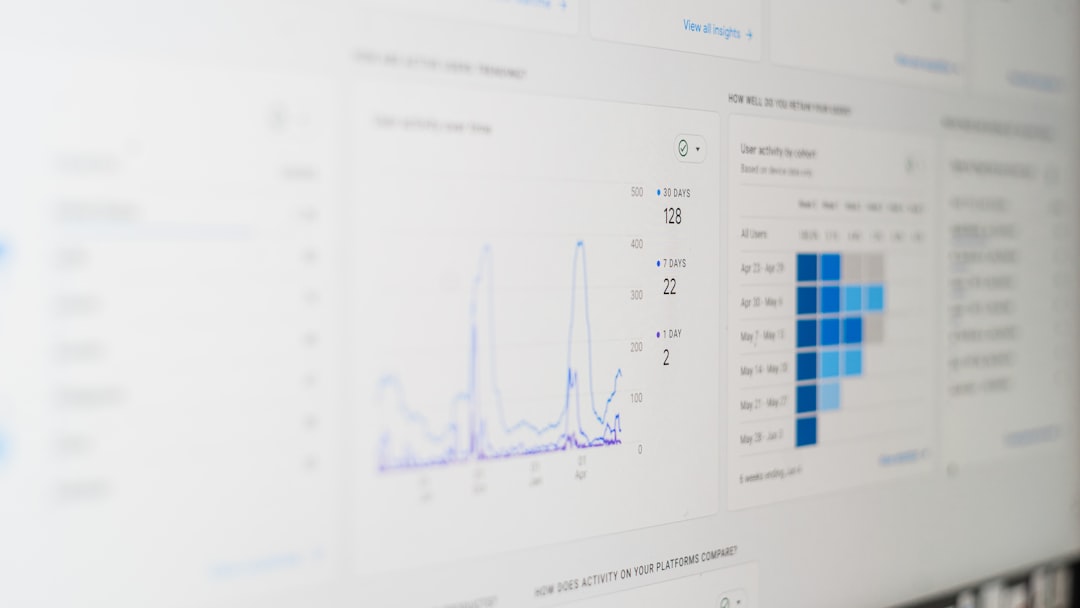
Unlocking Insights: Analyzing Feed Hash Statistics for Better Performance
In today’s data-driven world, organizations are continually seeking ways to enhance performance and optimize their operations. One of the most effective methods of achieving this is through the analysis of feed hash statistics. By unlocking insights through this analysis, companies can improve their decision-making processes and ultimately achieve better performance.
Understanding Feed Hash Statistics
Feed hash statistics are a critical aspect of data integrity and performance analysis. They serve as a unique identifier for content, ensuring that data remains unchanged during transmission. By analyzing these statistics, organizations can track how data is processed and identify potential bottlenecks or inconsistencies in their systems.
The Importance of Analyzing Feed Hash Statistics
Analyzing feed hash statistics enables organizations to:
- Improve Data Quality: By monitoring hash values, organizations can detect errors or unauthorized changes in data.
- Enhance Performance: Identifying patterns and trends can lead to optimizations in data handling processes.
- Facilitate Real-Time Decision-Making: Up-to-date feed hash statistics allow organizations to make informed decisions quickly.
Current Developments in Feed Hash Analysis
Recent trends in technology have significantly impacted how organizations analyze feed hash statistics. The integration of artificial intelligence (AI) and machine learning (ML) has revolutionized this process, allowing for more comprehensive analysis and faster insights.
AI and Machine Learning in Feed Hash Analysis
AI and ML algorithms can identify trends and anomalies in feed hash statistics with greater accuracy than traditional methods. For instance, organizations can leverage predictive analytics to forecast potential performance issues based on historical data.
Case Study: E-Commerce Optimization
Consider a leading e-commerce platform that implemented feed hash analysis to improve its inventory management system. By regularly monitoring feed hash statistics, the company identified discrepancies in product availability due to data synchronization issues. By addressing these discrepancies, the platform enhanced user experience, reduced cart abandonment rates, and ultimately increased sales by 15%.
Practical Applications of Feed Hash Statistics
Analyzing feed hash statistics has practical applications across various industries. Here are a few examples:
1. Social Media Platforms
Social media companies utilize feed hash statistics to ensure that user-generated content remains consistent and unaltered. By analyzing these statistics, they can also identify trends in user engagement and adjust their algorithms accordingly.
2. Financial Services
In the financial sector, feed hash statistics are critical for maintaining data integrity. Banks and financial institutions analyze these statistics to prevent fraud and ensure compliance with regulations.
3. Healthcare
Healthcare organizations analyze feed hash statistics to maintain the integrity of patient records. Ensuring accurate and consistent data is vital for patient safety and effective treatment.
Expert Opinions on Feed Hash Analysis
According to Dr. Jane Doe, a data scientist specializing in performance optimization, “The analysis of feed hash statistics is not just a technical necessity; it’s a strategic advantage. Organizations that leverage this data can make informed decisions that drive efficiency and growth.”
Tools for Analyzing Feed Hash Statistics
Several tools are available for organizations looking to analyze feed hash statistics effectively:
- Splunk: A powerful tool that enables organizations to monitor and analyze machine data in real-time.
- Tableau: Allows for visualization of data trends and patterns, making it easier to interpret feed hash statistics.
- Apache Kafka: An open-source platform that can handle real-time data feeds and perform hash analysis efficiently.
Further Reading and Resources
To delve deeper into the world of feed hash statistics and their impact on performance, consider exploring the following resources:
- Understanding Data Integrity
- The Role of Machine Learning in Data Analysis
- Real-Time Analytics for Businesses
Conclusion
Unlocking insights through the analysis of feed hash statistics is crucial for organizations aiming to enhance performance. By leveraging the latest technologies and understanding the importance of data integrity, businesses can make informed decisions that lead to improved outcomes.
As you explore the world of feed hash statistics, consider trying out some of the mentioned tools and resources to deepen your understanding. Share your thoughts and experiences in analyzing feed hash statistics, and don’t hesitate to subscribe to relevant newsletters to stay updated on the latest trends and innovations in this field.



