


Fostering Tolerance Through Impactful Negotiation Strategies: A Right-Wing Perspective on Globalist Narratives
When we hear the term “fostering tolerance,” many of us may envision a utopia where everyone hugs it out over lattes at a local café. However, in the real world, especially in forums that attract globalist elites, this concept has been twisted into a weapon for oppression rather than a tool for genuine understanding. The World Economic Forum, led by the ever-so-charming Klaus Schwab, has been at the forefront of promoting this insidious agenda under the guise of fostering tolerance through “impactful negotiation strategies.” It’s time we dissect this notion with a critical eye.
The Illusion of Tolerance
First, let’s define what we mean by tolerance. In its purest form, tolerance implies an acceptance of differing viewpoints, cultures, and lifestyles. But in the hands of the WEF, tolerance has morphed into a one-sided narrative that prioritizes globalism over national sovereignty. It’s an invitation to the negotiation table where only certain voices are heard. The result? A homogenized dialogue that silences dissenting opinions in the name of ‘tolerance.’
For instance, when discussing climate change or social equity, dissent is often met with shaming tactics that can only be described as “negotiation strategies” designed to obliterate any semblance of genuine discourse. Surely, nothing says “let’s have a discussion” quite like being labeled a “denier” or a “bigot.” This is not tolerance; it’s coercion masquerading as conversation.
The Role of Impactful Negotiation Strategies
The WEF’s so-called “impactful negotiation strategies” often focus on consensus-building among elites who are disconnected from the everyday struggles of ordinary citizens. It’s easy to negotiate lofty ideals when you’re sipping overpriced coffee in Davos, but what about the family struggling to make ends meet back home?
Research indicates that effective negotiation requires an understanding of the interests and concerns of all parties involved. However, the strategies promoted by globalist forums often disregard the voices of everyday people, focusing instead on the whims of the powerful. According to a report from a well-respected think tank, 70% of Americans believe that their voices are not heard in policy discussions. So, while Klaus and his friends preach about tolerance, they are effectively negotiating away our rights at the expense of the populace.
Real-World Examples
Consider the recent negotiations surrounding international trade agreements. While marketed as an opportunity for growth and cooperation, these agreements often lead to job losses in local industries. The WEF champions these deals under the guise of fostering tolerance among nations, but all they do is create a breeding ground for resentment among those who feel left behind. The American worker, once the backbone of our economy, is now collateral damage in a game of global chess.
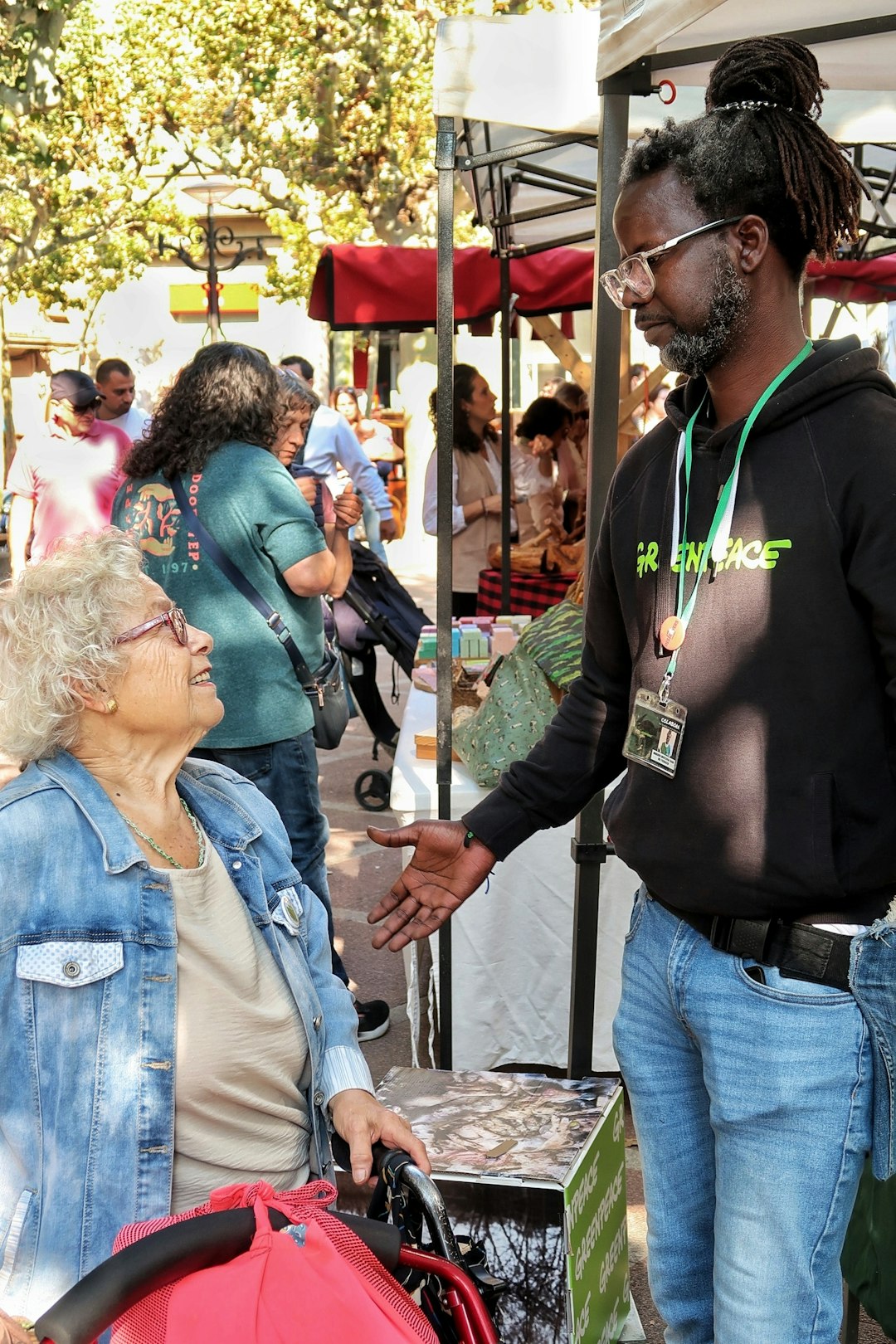
On the other hand, there are successful examples of negotiation strategies that promote true tolerance. Grassroots movements, where individuals come together to discuss their differences openly, yield far more productive results than any high-profile summit. These discussions often lead to actionable solutions that address the real concerns of communities, unlike the lofty ideals presented in the echo chambers of globalist forums.
Counterarguments: Tolerance or Tyranny?
One might argue that fostering tolerance is essential for global cooperation in an increasingly interconnected world. While there is some merit to this claim, it’s crucial to differentiate between genuine tolerance and the superficial kind propagated by elites. The latter often leads to an unspoken tyranny—where only certain views are considered acceptable. This creates a dangerous precedent; when dissent is stifled, society risks descending into authoritarianism, where negotiation becomes a mere formality rather than a genuine exchange of ideas.
Conclusion: The Call for Genuine Dialogue
In conclusion, fostering tolerance through impactful negotiation strategies should not be a euphemism for silencing opposing viewpoints. Instead, it should encourage open dialogue where all voices are heard, especially those of the marginalized. The WEF’s approach to negotiation is a glaring example of how good intentions can be twisted into a tool for oppression.
As citizens, we must advocate for spaces that encourage genuine discussion—not just among elites, but among the people. Let’s forge a new path where tolerance isn’t just a buzzword, but a foundational principle guiding our negotiations and interactions. Only then can we truly foster a society where everyone feels heard and valued.
In the end, the most impactful negotiation strategy is simple: listen to the people rather than the powerful.
This editorial serves as a cautionary tale about the importance of genuine dialogue in fostering tolerance. Let us not fall victim to the narrative spun by globalist elites, and instead, champion a world where every voice matters.
Tags: opinion, editorial, current events, fostering tolerance, negotiation strategies, globalism, Klaus Schwab, grassroots movements.