


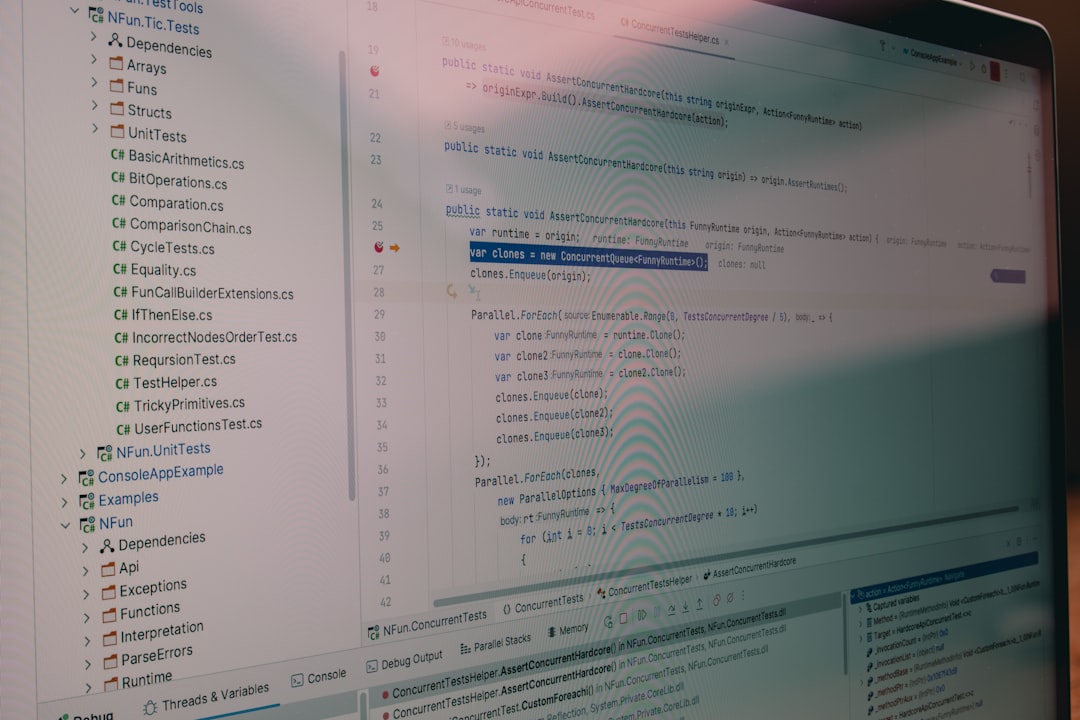
Resolving jQuery Bugs in Data Wavelength Analysis
In the realm of data analysis, especially when working with complex datasets such as those involved in wavelength analysis, jQuery plays a crucial role in enhancing user experience and dynamic interactions. However, bugs in jQuery can hinder the effectiveness of data visualization and analysis. This article will delve into the common jQuery bugs encountered in data wavelength analysis and practical approaches to resolve them.
Understanding jQuery in Data Wavelength Analysis
jQuery is a fast, small, and feature-rich JavaScript library that simplifies HTML document traversing, event handling, and Ajax interactions. When analyzing wavelength data, jQuery is often used to create responsive graphs and interactive elements that enable users to explore data trends easily.
Common jQuery Bugs in Data Wavelength Analysis
-
Selector Issues: Bugs often arise from incorrect selectors. For instance, trying to select elements with IDs and classes that do not exist in the DOM can lead to unexpected behavior.
-
Event Binding Problems: Events that fail to trigger can be frustrating. This is often due to binding events before elements are fully loaded. Using
$(document).ready()can mitigate this issue. -
Ajax Call Failures: Data loading issues may stem from improper Ajax calls. It’s crucial to ensure that the endpoints return valid data and that the format matches what your jQuery code expects.
-
Animation Bugs: Elements that do not animate as expected can result from CSS conflicts or improper jQuery chaining. Debugging animation issues often involves checking how animations are queued.
-
Compatibility Issues: Different browsers can handle jQuery differently. Testing your application across multiple browsers is essential to ensure consistency.
Effective Debugging Strategies
To effectively resolve jQuery bugs within data wavelength analysis, consider the following strategies:
1. Utilize Console Logging
Using console.log() at various points in your code can help track the flow of execution and identify where things go awry. For example:
console.log("Data loaded:", data);2. Employ jQuery’s Built-In Methods
jQuery provides several built-in methods that can help check for issues. For example, $.isEmptyObject(obj) can be useful to determine if an object is empty, which is often the case with failed Ajax calls.
3. Use Browser Developer Tools
Modern browsers come equipped with developer tools that can help inspect elements, view console messages, and debug JavaScript. Use these tools to monitor network activity and understand how data is being processed.
4. Test in Isolation
When encountering a bug, isolate the problematic code by creating a minimal test case. This approach can help identify whether the issue is with jQuery or another part of your application.
5. Update jQuery Version
Occasionally, bugs can arise from outdated jQuery versions. Keeping jQuery updated ensures that you benefit from bug fixes and performance improvements.
Case Study: Resolving a jQuery Bug in Data Visualization
Consider a scenario where a data visualization tool developed using jQuery fails to display wavelength data correctly. The issue was traced back to an incorrect selector that failed to identify the SVG elements used for rendering graphs. After adjusting the selectors and ensuring that the DOM was fully loaded before running the script, the visualization rendered as expected.
Current Developments in jQuery and Data Analysis
As of late 2023, jQuery continues to evolve, though its usage is declining in favor of modern frameworks like React and Angular. However, it remains relevant for many applications, especially in data analysis contexts where simplicity and speed are paramount.
Emerging Trends
- Integration with Data Science Libraries: The integration of jQuery with libraries such as D3.js allows for more powerful visualizations.
- Enhanced User Interaction: More focus on creating interactive dashboards that allow users to manipulate data dynamically.
Resources for Further Learning
To expand your knowledge on resolving jQuery bugs and enhancing your data wavelength analysis skills, consider the following resources:
- jQuery Documentation
- Mozilla Developer Network (MDN) – jQuery Guide
- D3.js Documentation
- Data Visualization with D3.js
Conclusion
Resolving jQuery bugs in data wavelength analysis is pivotal for ensuring accurate and efficient data interpretation. By understanding common issues, employing effective debugging strategies, and staying updated with current trends, you can enhance your data analysis capabilities.
For those looking to delve deeper into this subject, consider subscribing to a relevant newsletter or sharing this article with peers. Engaging with the community can provide additional insights and practical solutions that improve your workflow.
Glossary of Terms
- jQuery: A JavaScript library designed to simplify HTML document traversing and event handling.
- Ajax: A technique for creating asynchronous web applications.
- DOM: Document Object Model, a programming interface for web documents.
By fostering a solid understanding of jQuery and its applications in data wavelength analysis, you can navigate challenges effectively and enhance the quality of your data visualizations.



