


Improve Your Natural Posture for Better Well-Being
In today’s fast-paced world, poor posture has become a common issue. Many individuals find themselves slouching over desks or hunching while using smartphones. This not only affects your appearance but can also lead to various health problems. Improving your natural posture can significantly enhance your overall well-being. In this article, we will explore the importance of good posture, actionable strategies to improve it, common misconceptions, and the latest research findings.
Understanding the Importance of Good Posture
Good posture is crucial for maintaining the alignment of your bones and joints. When your body is aligned properly, it can move efficiently, reducing the risk of injury. Proper posture also plays a vital role in your respiratory health, digestion, and even mood regulation. According to recent studies, individuals with good posture report higher confidence levels and improved mood.
Poor posture, on the other hand, can lead to a host of problems including chronic pain, fatigue, and decreased productivity. A study published in the Journal of Physical Therapy Science found that individuals who improved their posture experienced reduced pain and increased overall satisfaction in daily activities.
Common Misconceptions About Posture
One common misconception is that posture is solely about standing tall. While standing is important, good posture also involves sitting correctly and even lying down properly. Many people believe that they can only correct their posture through exercise; however, being mindful of your posture throughout the day is equally crucial.
Another misconception is that slouching is a natural part of aging. While it’s true that our bodies change as we age, maintaining good posture is possible at any age with the right practices.
Practical Strategies for Improving Posture
1. Be Mindful of Your Sitting Habits
When sitting, ensure your back is straight, shoulders relaxed, and feet flat on the floor. Use a chair that supports your lower back. If you’re at a desk for extended periods, consider investing in an ergonomic chair or using a cushion designed to promote good posture.
2. Implement the 20-20-20 Rule
When working on screens, practice the 20-20-20 rule: Every 20 minutes, look at something 20 feet away for at least 20 seconds. This reduces eye strain and encourages you to take breaks, which can naturally lead to better posture as you adjust your position.
3. Strengthen Your Core
A strong core supports your spine and promotes good posture. Incorporate exercises like planks, bridges, and abdominal crunches into your fitness routine to enhance core strength.
4. Stretch Regularly
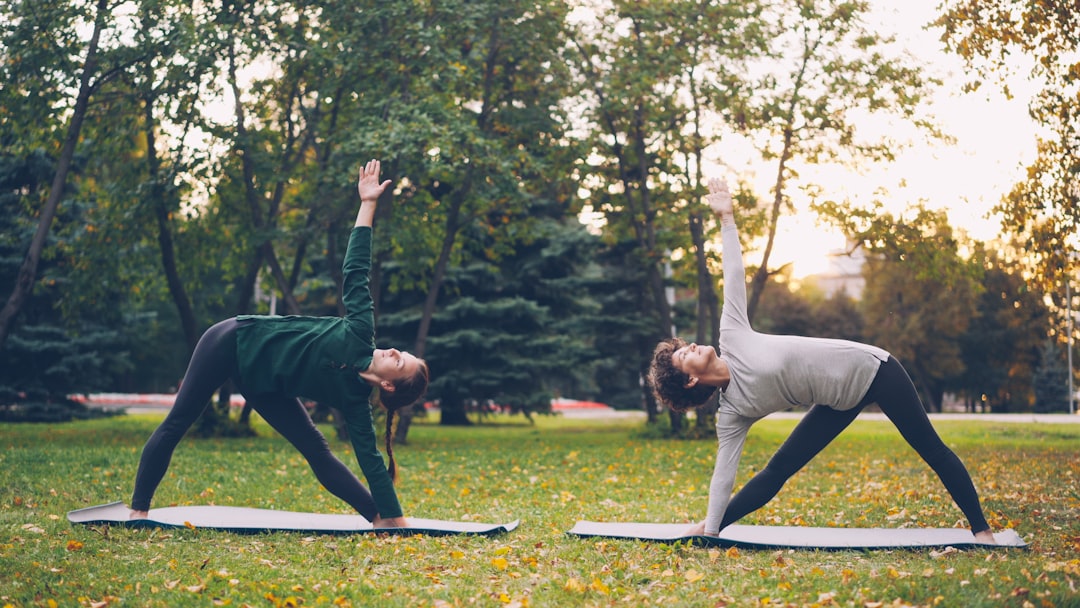
Incorporate stretching into your daily routine to relieve tension in muscles that may contribute to poor posture. Focus on the chest, shoulders, and hip flexors. Yoga and Pilates are excellent practices for improving flexibility and strength while promoting proper alignment.
5. Use Posture-Correcting Tools
Consider using posture correctors or braces as a temporary aid while you work on building strength and awareness. These devices can help remind you to maintain a straight posture until it becomes a habit.
Encouragement for Your Wellness Journey
Improving posture is a journey that requires patience and consistency. Gradually incorporate these strategies into your daily life, and don’t be discouraged by setbacks. Celebrate small victories, such as standing taller or experiencing less discomfort.
Further Reading and Resources
To deepen your understanding of posture and its effects on health, consider these resources:
By prioritizing your posture, you not only enhance your physical health but also positively influence your mental well-being. Share this article with friends and family to encourage them to embark on their journey towards better posture and wellness. Together, we can foster a community that values health and well-being.
Glossary of Terms
- Ergonomics: The study of people’s efficiency in their working environment.
- Core Strength: The strength of the muscles in your abdomen, lower back, and pelvis.
- Posture: The position in which someone holds their body when standing or sitting.
Improving your natural posture is not just a matter of aesthetics; it is a vital component of your overall health. Commit to these practices today, and you will likely see improvements in both your physical and emotional well-being.



