


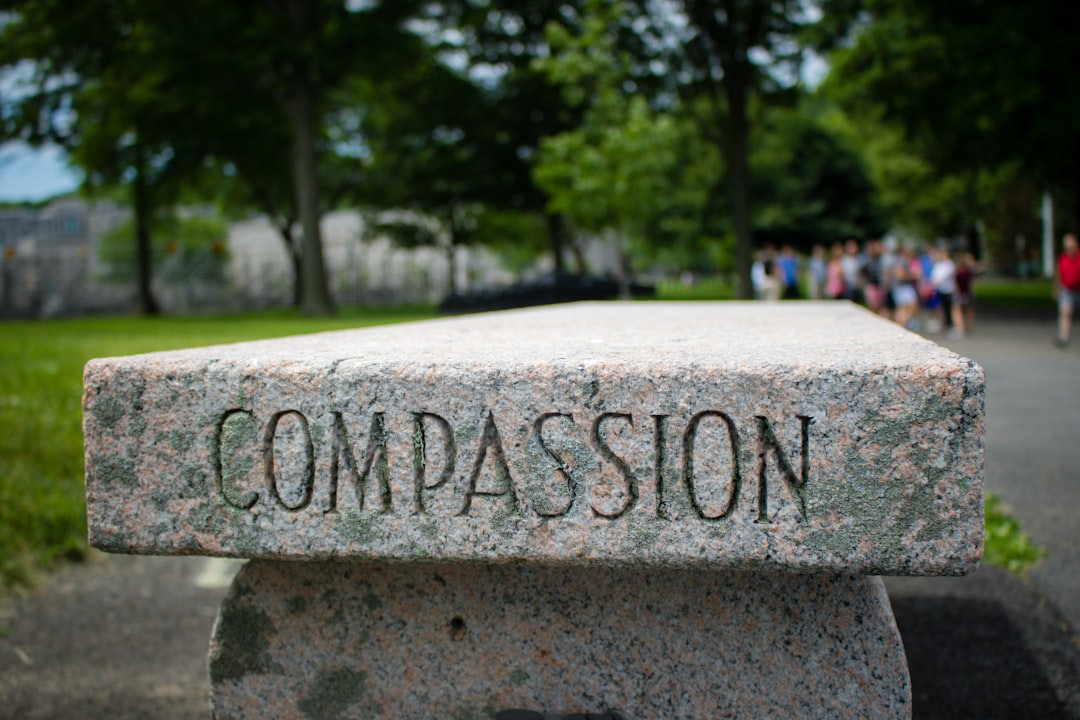
Unlocking the Power of Compassion for Healing and Health
Compassion is often viewed as a mere emotional response; however, recent research has unveiled its profound impact on healing and health. Compassion can significantly influence our mental and physical wellbeing, fostering resilience, enhancing emotional stability, and even improving physiological health. This guide delves into the power of compassion, providing actionable strategies to integrate this essential practice into daily life.
What is Compassion?
Compassion is defined as the emotional response of caring for and wanting to help those who are suffering. It encompasses empathy, kindness, and a desire to alleviate the pain of others. This foundational human experience is linked to various positive health outcomes, making it a vital component of overall well-being.
The Science Behind Compassion and Health
1. Emotional Wellbeing
Research shows that practicing compassion can lead to significant improvements in emotional health. A study published in the Journal of Health Psychology found that individuals who engaged in compassionate behaviors reported lower levels of anxiety and depression. The act of helping others can foster a sense of purpose and belonging, contributing to improved mental health.
2. Physical Health Benefits
Compassion doesn’t only benefit our emotional state; it also has tangible effects on physical health. Engaging in compassionate actions can reduce stress levels, lower blood pressure, and enhance the immune response. The Journal of Psychosomatic Research published findings indicating that compassionate individuals experience better physical health outcomes, including lower rates of chronic diseases.
3. Strengthening Relationships
Compassion strengthens social bonds, which are essential for overall health. Healthy relationships are linked to improved longevity and better health outcomes. Engaging in compassionate acts not only helps others but also enriches our connections, creating a supportive network that can enhance resilience during challenging times.
Practical Strategies to Cultivate Compassion
1. Mindfulness Meditation
Mindfulness meditation can help cultivate compassion by enabling you to be present with your thoughts and feelings. Research suggests that mindfulness practices increase feelings of compassion and empathy toward oneself and others. Start with just a few minutes a day, focusing on your breathing, and gradually incorporate loving-kindness meditation.
2. Volunteer Your Time
Engaging in volunteer work is a powerful way to practice compassion. Whether it’s helping at a local shelter or participating in community clean-ups, volunteering allows you to connect with others and contribute positively to society. This not only helps those in need but also enhances your sense of fulfillment.
3. Practice Self-Compassion
Many individuals struggle with self-criticism, which can hamper overall health. Practicing self-compassion involves treating yourself with kindness and understanding during difficult times. Techniques such as journaling about your feelings or speaking to yourself as you would to a friend can foster a kinder internal dialogue.
4. Connect with Community
Building connections within your community can enhance feelings of belonging and support. Join local groups or participate in community events that align with your interests. This engagement fosters compassion through shared experiences and mutual support.
Addressing Common Misconceptions
One common misconception is that compassion is a finite resource; that is, we can only be compassionate to a certain extent before we exhaust ourselves. However, compassion can grow and deepen with practice. Engaging in compassionate actions can lead to a positive feedback loop, resulting in more profound feelings of empathy and connection over time.
Encouragement for Your Journey
Embarking on a journey to cultivate compassion is a powerful step towards improved health and wellness. Remember, small actions can lead to significant changes. Whether it’s a smile toward a stranger or a kind word to a friend, each act counts. Even on challenging days, know that you are contributing to a healthier world.
Further Reading and Resources
For those interested in deepening their understanding of compassion and its health benefits, consider exploring the following resources:
- The Center for Humane Technology
- Greater Good Science Center
- Self-Compassion: The Proven Power of Being Kind to Yourself by Dr. Kristin Neff
By integrating compassion into your daily life, you can unlock its transformative power, enhancing your health and the wellbeing of those around you. Let this practice guide you toward a more fulfilling and connected existence.
Compassion is a journey, and each step you take can lead to a healthier and happier life. Embrace it, share it, and let it inspire others as well.



