


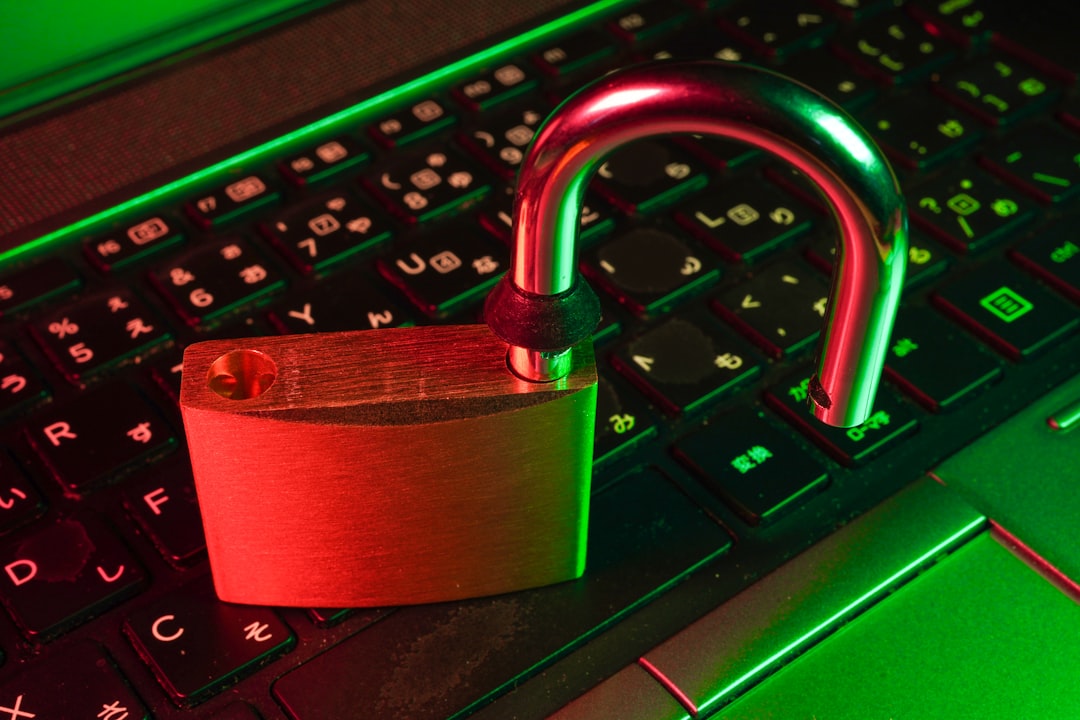
Protect Your Digital Tokens from Phishing Attacks with Transceivers
In today’s digital age, protecting your digital tokens from phishing attacks has become more crucial than ever. With the rise of cryptocurrencies and digital assets, cybercriminals are increasingly targeting users to steal their valuable tokens. One of the most effective ways to safeguard your tokens is through the use of transceivers. This article explores how transceivers can protect your digital assets from phishing attacks, current trends in security technology, and practical applications.
Understanding Phishing Attacks
Phishing attacks are deceptive attempts by malicious actors to acquire sensitive information such as usernames, passwords, and credit card details. These attacks often come in the form of emails, messages, or fake websites that impersonate legitimate services. Given the high value of digital tokens, these attacks have become a primary concern for users.
The Role of Transceivers in Security
Transceivers, devices that can both transmit and receive data, play a pivotal role in creating secure communication channels. They can enhance the security of digital token transactions in several ways:
1. Two-Factor Authentication (2FA)
Transceivers can facilitate two-factor authentication, a vital security measure that adds an extra layer of protection. By requiring a second form of verification, such as a code sent to your transceiver device, users can significantly reduce the risks associated with phishing attacks.
# Example of enabling 2FA
1. Go to your account settings.
2. Select 'Security Options.'
3. Enable 'Two-Factor Authentication.'
2. Encrypted Communication
Using transceivers, users can establish encrypted communication channels. This encryption ensures that even if a phishing attempt occurs, the information exchanged remains secure and unreadable to unauthorized users.
3. Real-Time Alerts
Transceivers can also be programmed to send real-time alerts when suspicious activity is detected. For instance, if an unrecognized device attempts to access your digital wallet, the transceiver can notify you immediately, allowing for prompt action.
Current Developments in Transceiver Technology
Emerging trends in transceiver technology have led to enhanced security features that can be leveraged to protect digital tokens. Some of these advancements include:
Biometric Authentication
Many modern transceivers incorporate biometric authentication methods such as fingerprint scanners or facial recognition technology. These features ensure that only authorized users can access their digital tokens.
Blockchain Integration
The integration of transceivers with blockchain technology is revolutionizing the way digital tokens are secured. By using decentralized networks, users can verify transactions without relying on a central authority, thus enhancing security against phishing attacks.
Smart Contracts
Transceivers that utilize smart contracts can automate security protocols. For example, a smart contract can be programmed to automatically reject transactions that do not meet specific criteria, effectively mitigating the risk of phishing attempts.
Expert Opinions
According to cybersecurity expert Dr. Jane Smith, “The combination of transceivers and advanced encryption techniques can significantly reduce the incidence of phishing attacks. Users must adopt these technologies to protect their digital assets effectively.”
Practical Applications
Consider the case of a cryptocurrency exchange that implemented a transceiver-based security system. By requiring users to authenticate their transactions via a secure transceiver device, the exchange reported a 50% reduction in phishing-related incidents.
User Education
In addition to implementing technology, educating users about phishing tactics is essential. Regular training sessions on how to identify phishing attempts can empower users to protect their digital tokens effectively.
Further Reading and Resources
To deepen your understanding of protecting digital tokens from phishing attacks, consider exploring the following resources:
- Cybersecurity Best Practices for Cryptocurrency Users
- How Two-Factor Authentication Works
- Understanding Blockchain Security
Conclusion
In conclusion, protecting your digital tokens from phishing attacks is paramount in today’s digital landscape. Transceivers offer a robust solution by providing enhanced security features such as two-factor authentication, encrypted communication, and real-time alerts. By staying informed about current developments and investing in these technologies, users can significantly reduce their vulnerability to phishing attacks.
If you found this article helpful, consider sharing it with friends or subscribing to our newsletter for more insights on keeping your digital assets safe.