


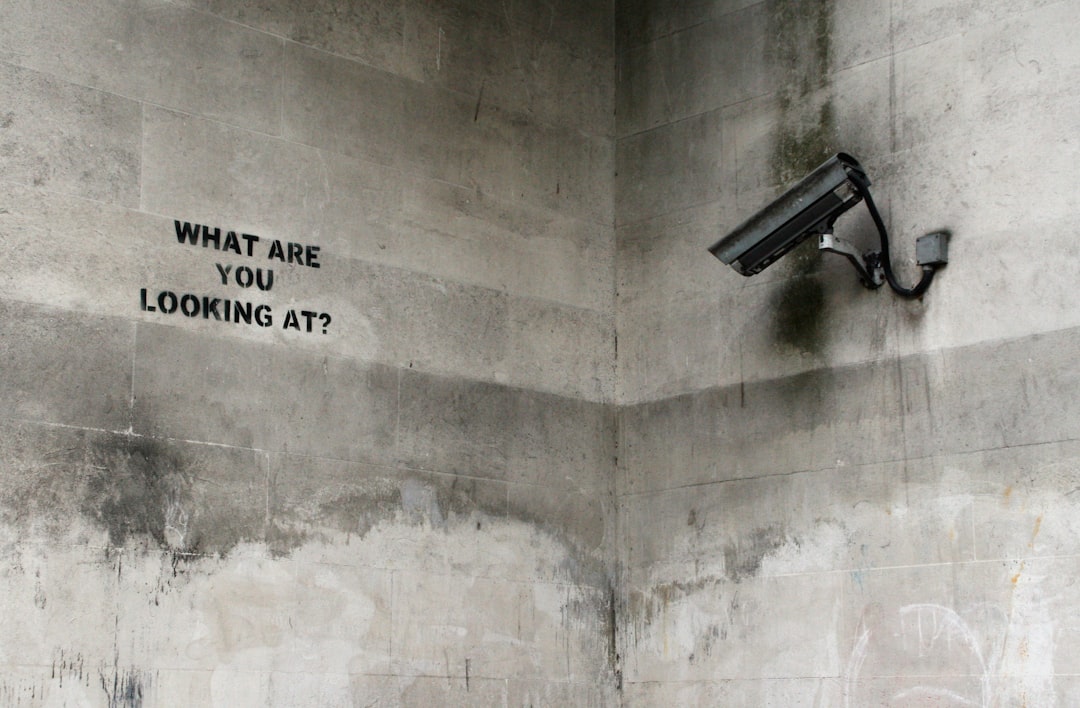
The Surveillance State: The New Normal of Disruption and Precarity
In an age where technology permeates every aspect of our lives, the concept of a Surveillance State has evolved into a significant concern. The intertwining of digital innovation and state surveillance raises pressing questions about privacy, security, and civil liberties. This article explores the Surveillance State as the new normal, highlighting its implications in a world characterized by disruption and precarity.
Understanding the Surveillance State
At its core, a Surveillance State employs advanced technology to monitor the activities of its citizens, often justified under the guise of national security and public safety. With the proliferation of surveillance cameras, biometric identification, and data tracking, privacy is increasingly becoming a luxury. The rise of the Internet of Things (IoT) has further exacerbated this scenario, enabling even mundane devices to collect and transmit data.
Current Developments in Surveillance Technology
Recent advancements in technology have made surveillance more pervasive and efficient. For example, facial recognition systems have become a staple in urban environments. Cities like San Francisco have grappled with the ethical implications of deploying such systems, weighing the benefits of enhanced security against the potential for abuse and discrimination.
Moreover, the advent of artificial intelligence (AI) has allowed governments to analyze vast amounts of data at unprecedented speeds. AI-driven surveillance tools can identify patterns in behavior, enabling preemptive actions against potential threats. However, this raises significant ethical concerns regarding profiling and the potential for wrongful accusations based on biased algorithms.
The Impact of Disruption on Surveillance Practices
The COVID-19 pandemic has accelerated the normalization of surveillance practices. Governments worldwide have deployed tracking apps to monitor the spread of the virus, leading to a broader acceptance of state surveillance. As lockdowns forced people into digital interactions, the reliance on technology for communication, work, and education surged, further embedding surveillance into daily life.
This disruption has created a precarious balance between public health and personal freedom. While tracking technologies may have assisted in controlling the pandemic, they also set a precedent for continuous monitoring beyond the crisis. As noted by privacy advocates, these measures could become permanent fixtures of governance, leading to a surveillance culture that normalizes the loss of privacy.
Case Studies and Expert Opinions
One notable case is China’s extensive social credit system, which monitors citizens’ behavior and assigns scores based on their actions. This system has demonstrated how surveillance can extend beyond security, influencing aspects of daily life, from employment opportunities to social interactions. Experts like Shoshana Zuboff, author of “The Age of Surveillance Capitalism,” warn that such practices could undermine democracy by fostering a culture of compliance and fear.
In contrast, countries like Germany have taken a more cautious approach, implementing strict regulations to protect citizens’ data. The General Data Protection Regulation (GDPR) exemplifies how legislation can counterbalance the risks posed by surveillance technologies. This regulatory framework emphasizes the importance of consent and transparency, setting a global standard for data protection.
Emerging Trends in Surveillance Technologies
As we navigate this new normal, several emerging trends are shaping the landscape of the Surveillance State:
-
Biometric Surveillance: The use of fingerprints, iris scans, and voice recognition is on the rise, making traditional identification methods obsolete. While these technologies offer convenience, they also present significant privacy risks.
-
Predictive Policing: Law enforcement agencies are increasingly utilizing data analytics to predict criminal behavior. This practice raises ethical questions about fairness and accountability.
-
Public Sentiment Monitoring: Governments are leveraging social media data to gauge public opinion and sentiment. This trend blurs the line between understanding citizen needs and infringing on free expression.
Conclusion
The Surveillance State represents a complex interplay of technology, governance, and individual rights. As we embrace the benefits of innovation, it is crucial to remain vigilant about the implications these advancements pose for privacy and civil liberties.
The conversation surrounding the Surveillance State should not only focus on the technologies themselves but also on their impact on society. By promoting transparent policies and encouraging public discourse, we can navigate the challenges posed by surveillance in a manner that respects individual freedoms.
For those keen to delve deeper into this topic, resources such as the Electronic Frontier Foundation (https://www.eff.org/) and the Center for Democracy and Technology (https://cdt.org/) offer valuable insights and tools for advocacy.
Consider sharing this article with others who might find it informative and engaging. Stay informed about the evolving landscape of technology and its implications by subscribing to newsletters focused on privacy and civil rights.



