


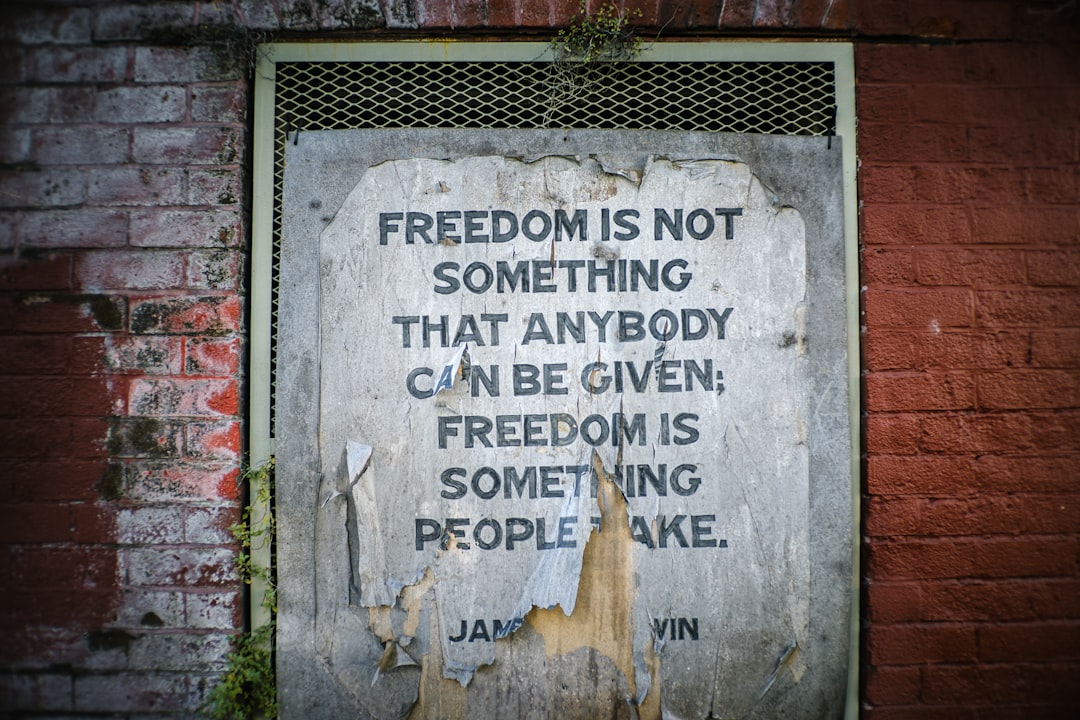
Government Overreach: The Dangers of Control and Dispersal
Government overreach refers to the excessive intervention of government authorities in the lives of citizens. As technology advances, the means of control and surveillance have evolved, raising concerns about privacy, autonomy, and freedom. This article delves into the dangers of governmental control and dispersal, exploring its implications for society and technology.
Understanding Government Overreach
Government overreach manifests in various forms, including intrusive surveillance, excessive regulation, and censorship. In a world increasingly reliant on technology, the potential for governments to monitor and control citizens has escalated. Technologies such as facial recognition, data mining, and artificial intelligence (AI) have empowered governments to track movements, analyze behaviors, and even predict actions.
The Role of Technology in Government Control
The integration of technology into government operations has led to more efficient governance but has also paved the way for potential abuses. For instance, tools used for public safety and national security can easily be repurposed for mass surveillance.
Case Study: The Use of Facial Recognition Technology
Countries like China have implemented extensive facial recognition systems that monitor citizens in real-time. This form of control not only raises ethical concerns but also highlights the dangers of a surveillance state. Numerous reports indicate that these systems can lead to wrongful accusations and violations of individual rights, as noted by privacy advocates.
The Impact of Data Collection
With the rise of big data, governments can collect vast amounts of information about individuals. This data can be used for various purposes, including social scoring, which can determine access to services or employment based on behavior. Such practices pose significant risks, as they can lead to discrimination and a loss of personal freedoms.
The Dangers of Dispersal
Dispersal, in this context, refers to the distribution of power and resources. While decentralization can empower local governments and communities, it can also lead to fragmentation and inconsistency in governance. For example, when different regions implement varying degrees of surveillance or regulation, it can create an environment of confusion and inequality.
The Risks of Fragmented Governance
Fragmented governance can result in a lack of accountability. If local authorities misuse technology or implement overreaching policies, it may be challenging for citizens to seek redress. Moreover, disparate systems can be exploited by malicious actors, resulting in cybersecurity threats and other risks.
Expert Opinions on Government Overreach
Experts in technology and civil rights have voiced concerns about the implications of government overreach. According to a prominent privacy advocate, “The unchecked use of technology by governments can lead to a slippery slope of eroded civil liberties. We must ensure that technology serves the public good, not the other way around.”
Emerging Trends in Government Surveillance
As society continues to evolve, so do the tools of surveillance. Emerging trends include the use of drones for monitoring public spaces and the expansion of AI-driven analytics. While these technologies can enhance public safety, they also raise questions about ethical usage and privacy rights.
Practical Applications and Solutions
Addressing government overreach requires a multi-faceted approach. Here are several practical applications and tools that can help mitigate risks:
- Privacy-Protecting Technologies: Tools like VPNs and encrypted communication platforms can help individuals safeguard their data from government surveillance.
- Advocacy and Education: Engaging in advocacy work and educating the public about their rights can foster a culture of accountability and transparency.
- Policy Initiatives: Supporting legislation that emphasizes transparency in surveillance and data collection can help protect individual freedoms.
Further Reading and Resources
To deepen your understanding of government overreach and its implications, consider exploring the following resources:
- Electronic Frontier Foundation (EFF) – A nonprofit organization defending civil liberties in the digital world.
- Privacy International – An organization focused on fighting for the right to privacy across the globe.
- The American Civil Liberties Union (ACLU) – An organization dedicated to defending individual rights and liberties.
In conclusion, the dangers of government overreach, particularly through control and dispersal, pose significant threats to individual freedoms and privacy. As technology continues to advance, it is crucial to remain vigilant and advocate for policies that protect civil liberties. By staying informed and engaged, individuals can contribute to a society that values and upholds democratic principles.
If you found this article informative, consider sharing it within your network or subscribing to our newsletter for more insights on technology trends and civil liberties.



