


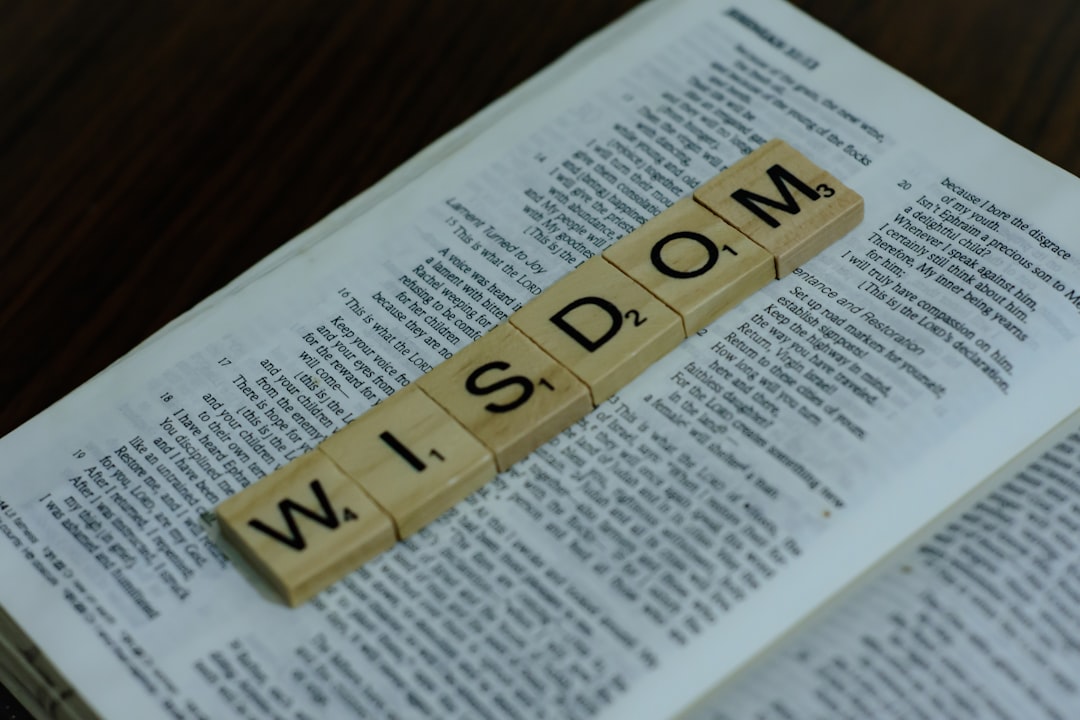
Embracing Reform: The Path to Acceptance and Wisdom in Health and Wellness
In today’s fast-paced world, the journey towards achieving health and wellness can often feel overwhelming. However, embracing reform and accepting change is vital for personal growth and well-being. This guide explores the concept of embracing reform, its connection to acceptance and wisdom, and how it can transform your health journey.
Understanding Embracing Reform
Embracing reform involves recognizing the need for change in our lifestyles, habits, and mindsets. It is about accepting that, in order to achieve optimal health and wellness, we must be open to new ideas, practices, and perspectives. This acceptance often leads to wisdom, as we learn to navigate challenges and adapt to our evolving needs.
The Importance of Acceptance in Health and Wellness
Acceptance is the first step towards meaningful change. Research has shown that individuals who accept their current state—be it physical, emotional, or mental—are more likely to engage in positive health behaviors. Acceptance allows for the acknowledgment of one’s struggles without judgment, creating a fertile ground for growth.
Key Benefits of Acceptance
- Reduced Stress: Embracing your current situation can alleviate feelings of anxiety and stress, making it easier to focus on positive changes.
- Increased Resilience: Acceptance fosters resilience, enabling you to bounce back from setbacks and maintain motivation.
- Better Decision-Making: By accepting your reality, you can make informed decisions that align with your health goals.
Wisdom Through Experience
Wisdom in health and wellness comes from experience and learning. It’s about applying knowledge to real-life situations and understanding the nuances of your health journey. Here are some actionable strategies to cultivate wisdom in your wellness practices:
1. Educate Yourself
Stay informed about health and wellness trends, research findings, and nutrition. Knowledge empowers you to make informed choices. Resources like the National Institutes of Health and Healthline offer credible information.
2. Practice Mindfulness
Incorporating mindfulness techniques, such as meditation or deep breathing, can enhance your capacity for acceptance. Mindfulness encourages awareness of your thoughts and feelings, helping you to respond to challenges with clarity and composure.
3. Set Realistic Goals
Setting achievable health goals is crucial. Break down your objectives into manageable steps, and celebrate small victories along the way. This approach fosters a sense of accomplishment and encourages continued progress.
4. Seek Support
Don’t navigate your wellness journey alone. Engage with health professionals, support groups, or wellness communities. Sharing experiences and learning from others can provide new insights and encouragement.
Common Misconceptions About Embracing Reform
One prevalent misconception is that embracing reform means you must completely overhaul your lifestyle overnight. In reality, gradual changes often yield more sustainable results. Here are a few misconceptions addressed:
- Change is Painful: While change can be uncomfortable, it often leads to growth. Embracing discomfort is part of the journey.
- You Must Do It Alone: Seeking help is a sign of strength, not weakness. Collaborating with others can provide motivation and accountability.
- Acceptance Equals Giving Up: Acceptance is not about surrendering; it’s about recognizing where you are and choosing to take the next step forward.
Practical Strategies for Daily Life
Implementing small, consistent changes can lead to significant improvements in your health and wellness. Here are some practical strategies:
- Nutrition: Focus on a balanced diet rich in fruits, vegetables, whole grains, and lean proteins. Consider meal prepping to make healthier choices easier.
- Physical Activity: Aim for at least 150 minutes of moderate-intensity exercise each week. Find activities you enjoy to make exercise a fun part of your routine.
- Mental Health: Incorporate journaling or gratitude practices to foster a positive mindset and promote emotional well-being.
Further Reading and Resources
To deepen your understanding of health and wellness, consider exploring the following resources:
- Mayo Clinic’s Healthy Lifestyle
- American Psychological Association – Mindfulness
- Nutritional Guidelines from the USDA
Embracing reform on your path to acceptance and wisdom in health and wellness is a lifelong journey. By adopting a mindset of openness and curiosity, you will discover new ways to enhance your well-being. Take the first step today—share this article with friends or family who may benefit from these insights and start your journey together. Remember, every small step counts towards a healthier, more fulfilling life.