


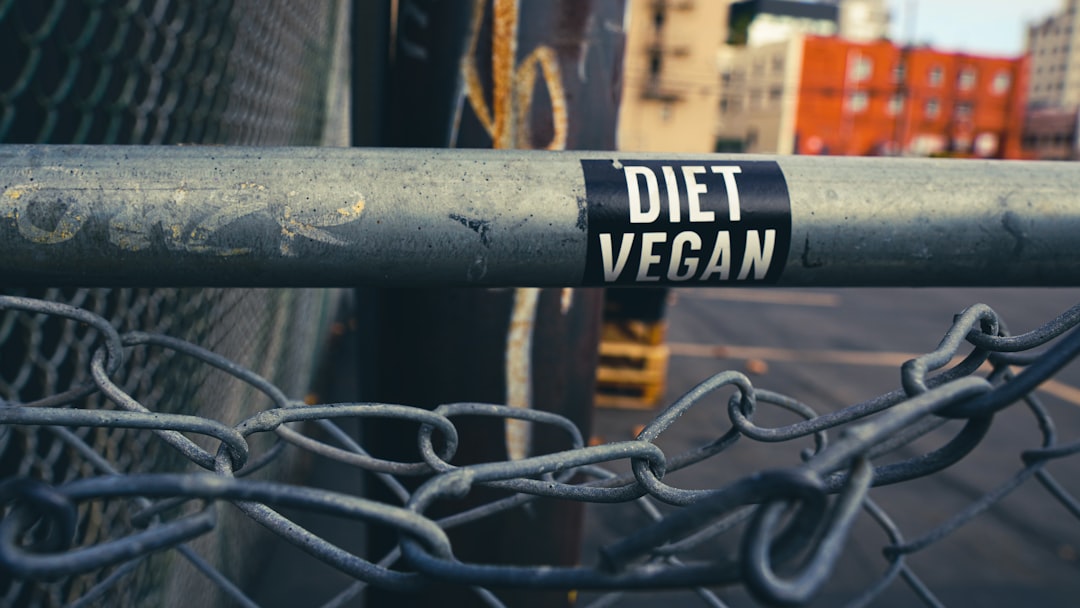
Embrace a Flexible Vegan Lifestyle for Personal Growth
Adopting a flexible vegan lifestyle can lead to significant personal growth and improved health outcomes. A flexible vegan diet allows individuals to incorporate plant-based foods while occasionally including animal products, making it a sustainable and accessible choice. This guide will explore the benefits, strategies, and common misconceptions surrounding this lifestyle, enabling you to embrace it fully.
Understanding Flexible Veganism
Flexible veganism, often referred to as “vegan-ish,” encourages a primarily plant-based diet while allowing for flexibility. This approach can help individuals transition to a vegan lifestyle gradually, making it easier to adopt long-term. Research suggests that even small dietary changes can have profound effects on health. For example, a study published in the American Journal of Clinical Nutrition found that increasing plant-based food consumption is associated with a lower risk of chronic diseases, including heart disease and diabetes.
Benefits of a Flexible Vegan Lifestyle
-
Nutritional Balance: A flexible vegan diet emphasizes whole foods, such as fruits, vegetables, legumes, nuts, and seeds, which are rich in essential nutrients. This variety ensures you receive a balanced intake of vitamins and minerals while allowing occasional animal products for additional nutrients like B12 and omega-3 fatty acids.
-
Weight Management: Studies indicate that plant-based diets are associated with lower body weight and reduced obesity rates. By focusing on whole foods and minimizing processed foods, you can maintain a healthy weight while enjoying a diverse range of foods.
-
Environmental Impact: Flexibility in your diet can reduce your carbon footprint. A report from the Food and Agriculture Organization highlights that plant-based diets are more sustainable, requiring fewer resources than meat-heavy diets.
-
Personal Growth: Embracing a flexible vegan lifestyle encourages mindfulness and awareness of food choices. This can lead to better emotional and mental well-being, as you become more in tune with your body and its needs.
Practical Strategies for Implementing a Flexible Vegan Lifestyle
1. Start Gradually
Transitioning to a flexible vegan lifestyle doesn’t have to be an overnight change. Begin by incorporating more plant-based meals into your diet. Aim for “Meatless Mondays” or start with one meal a day that is entirely plant-based.
2. Explore New Recipes
Experiment with various plant-based recipes to discover new flavors and textures. Websites like Oh She Glows and Minimalist Baker offer a plethora of easy and delicious vegan recipes.
3. Educate Yourself
Stay informed about nutrition and health benefits related to a plant-based diet. Resources like the Plant-Based Dietitian provide valuable information and support to help you navigate your dietary choices effectively.
4. Listen to Your Body
Flexibility means honoring your body’s needs. If you feel a craving for animal products, it’s okay to include them in moderation. The key is to focus on a majority of plant-based foods while being mindful of any dietary restrictions or health conditions.
5. Meal Prep
Planning your meals in advance can simplify your transition. Preparing plant-based meals ahead of time ensures you have healthy options readily available, reducing the temptation to revert to non-vegan choices.
Common Misconceptions About Flexible Veganism
1. It’s All or Nothing
Many believe that to be vegan, one must eliminate all animal products entirely. However, flexible veganism promotes balance and sustainability, making it more achievable for many individuals.
2. Plant-Based Diets Lack Protein
A common misconception is that plant-based diets are deficient in protein. In reality, there are numerous plant-based protein sources, including lentils, quinoa, chickpeas, and tofu. Incorporating these foods can easily meet your protein needs.
3. It’s Too Restrictive
Flexible veganism allows for personal choice, making it less restrictive than traditional veganism. This freedom can reduce feelings of deprivation, which often leads to long-term adherence to a healthy lifestyle.
Encouragement for Your Wellness Journey
Embracing a flexible vegan lifestyle is a journey filled with opportunities for personal growth. Remember, it’s about progress, not perfection. Celebrate your achievements, no matter how small, and stay motivated by engaging with supportive communities online or locally.
Further Reading and Resources
- Books: “The How Not to Die Cookbook” by Michael Greger offers plant-based recipes that promote health.
- Podcasts: “Rich Roll Podcast” features discussions on plant-based nutrition and wellness.
- Tools: Use tracking apps like MyFitnessPal to monitor your nutrient intake and ensure you’re meeting your dietary goals.
As you embark on this exciting lifestyle shift, remember to share your experiences and insights with others. Engaging in conversations about your journey can inspire those around you to prioritize their health and wellness.



