


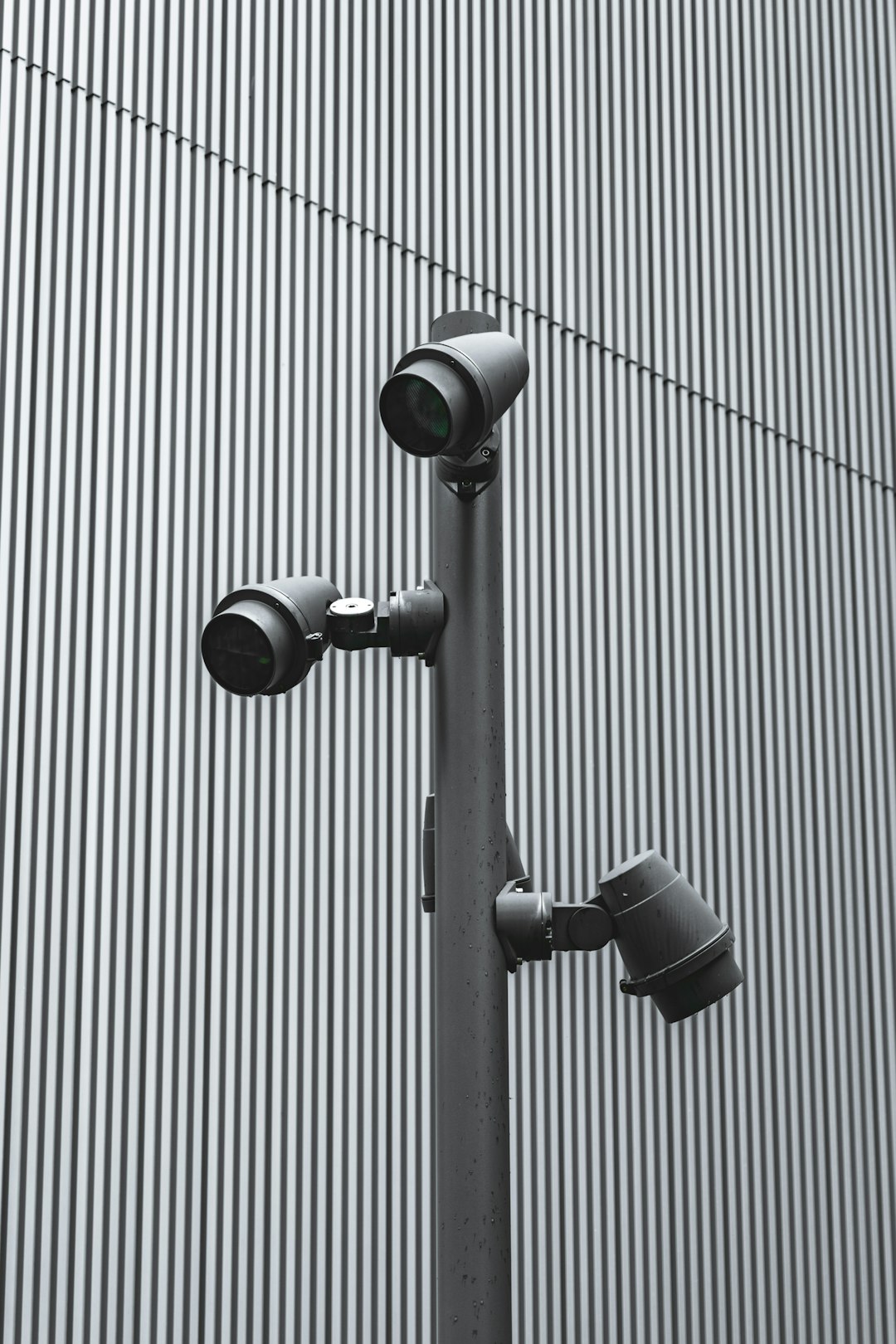
Maximizing Surveillance Efficiency Through Feedback and Smart Routing
In today’s ever-evolving landscape of security and surveillance technology, organizations are continuously seeking ways to enhance their operational efficiency. One of the most effective strategies for maximizing surveillance efficiency is through the integration of feedback mechanisms and smart routing systems. This approach not only optimizes resource allocation but also enhances the overall effectiveness of surveillance operations.
Understanding Feedback Mechanisms
Feedback mechanisms in surveillance systems involve the collection and analysis of data from various sources, such as cameras, sensors, and human operators. This data provides insights into how the surveillance system is performing and highlights areas for improvement. By continually assessing performance through feedback, organizations can make informed decisions about resource allocation, system upgrades, and operational strategies.
Importance of Real-Time Feedback
Real-time feedback is crucial in surveillance operations. It allows security personnel to respond swiftly to incidents, minimizing potential threats. For instance, if a camera detects unusual activity, the system can alert operators immediately, enabling them to assess the situation and take appropriate action.
One example of this is the use of artificial intelligence (AI) in facial recognition technologies. These systems can provide instant feedback on identified individuals, helping security teams to quickly determine whether further action is necessary.
Smart Routing: Optimizing Resource Allocation
Smart routing refers to the process of directing surveillance resources—be it cameras, drones, or personnel—to areas where they are needed most. By analyzing data from feedback mechanisms, organizations can deploy their resources more effectively, ensuring that high-risk areas receive adequate attention.
The Role of Data Analytics
Data analytics plays a pivotal role in smart routing. By leveraging analytics tools, organizations can identify patterns and trends in surveillance data. For example, a retail store may use analytics to determine peak shopping hours and deploy additional staff or cameras during those times to deter theft.
Case Study: Crime Prevention in Urban Areas
A notable case study involves urban areas utilizing smart routing to combat crime. Cities like Chicago have implemented surveillance systems that analyze crime data to predict hotspots. By directing patrols to these areas during peak crime times, law enforcement agencies have significantly reduced crime rates. This kind of proactive approach illustrates the power of combining feedback with smart routing.
Emerging Trends in Surveillance Technology
As technology continues to advance, several emerging trends are enhancing the efficiency of surveillance operations:
1. Integration of IoT Devices
The Internet of Things (IoT) is transforming surveillance by allowing devices to communicate with one another. For instance, smart cameras can send real-time data to security personnel, who can then analyze and respond accordingly. This interconnectedness leads to more efficient monitoring and response times.
2. Machine Learning for Predictive Analysis
Machine learning algorithms can analyze historical data to predict future incidents. By integrating these algorithms into surveillance systems, organizations can anticipate potential threats and allocate resources preemptively.
3. Cloud Computing for Scalability
Cloud computing allows organizations to store and analyze large volumes of surveillance data without the need for extensive on-premises infrastructure. This scalability ensures that surveillance systems can grow alongside an organization’s needs.
Expert Opinions on Surveillance Efficiency
Industry experts emphasize the importance of combining feedback and smart routing in surveillance systems. According to Dr. Jane Smith, a leading researcher in security technology, “Integrating feedback mechanisms with smart routing is not just a trend; it is a necessity for any organization aiming to enhance its security posture. The ability to adapt and respond in real-time is paramount.”
Further Reading and Resources
To deepen your understanding of maximizing surveillance efficiency, consider exploring the following resources:
- The Future of AI in Surveillance
- Smart City Technology and Crime Prevention
- Data Analytics in Security Operations
Conclusion
Maximizing surveillance efficiency through feedback and smart routing is essential for organizations aiming to improve their security measures. By leveraging real-time feedback and smart resource allocation, organizations can enhance their operational efficiency, respond more effectively to incidents, and ultimately create safer environments.
If you’re interested in keeping up with the latest trends in surveillance technology, consider subscribing to our newsletter for more insights. Share this article with others who may benefit from understanding the advancements in surveillance efficiency, and explore tools that can help you implement these strategies in your own operations.



