


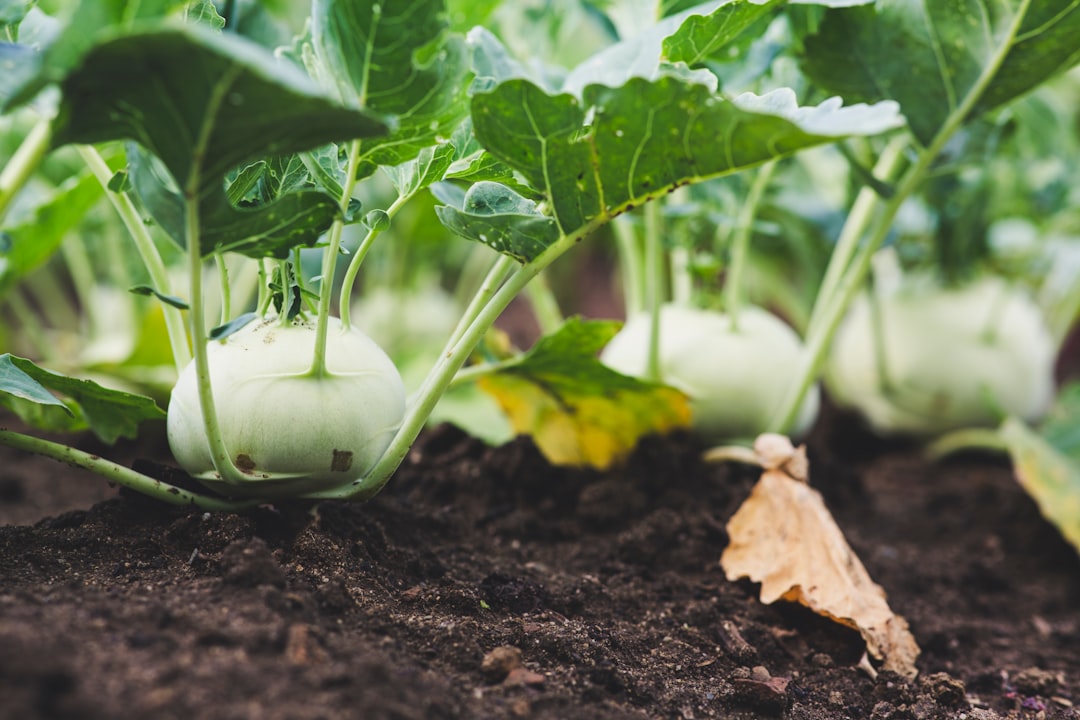
Beet and Kohlrabi Cultivation for Ethnic Gardeners
Welcome to the vibrant world of root vegetable mastery, where the earthy depths of beets meet the crisp, star-shaped elegance of kohlrabi. For ethnic gardeners seeking to diversify their plots with nutrient-dense powerhouses, mastering Beet and Kohlrabi Cultivation is an essential skill. These resilient crops offer a unique culinary profile that bridges traditional heritage cooking with modern gastronomy. Whether you are growing heirloom varieties for soul food stews or crisp Asian salads, understanding the specific needs of these roots transforms your garden into a bountiful harvest engine.
The Roots of Flavor: Selecting Your Seeds
Successful Beet and Kohlrabi Cultivation begins long before the first sprout breaks soil. When selecting seeds, consider the ethnic culinary traditions you wish to honor. For beets, seek out deep red varieties like Detroit Dark Red for their intense sweetness or golden beets for a milder, nutty flavor perfect for roasting. Kohlrabi comes in purple and white forms; the purple variety adds a striking visual element to stir-fries, while the white offers a classic crunch similar to cabbage.
Ethnic gardeners often appreciate seeds that are open-pollinated, allowing them to save seeds year after year. Look for keywords like “heirloom” or “heritage” when browsing catalogs. Remember that soil pH is critical; both crops thrive in slightly acidic to neutral ground, typically between 6.0 and 7.0. Avoid heavy clay soils which can cause beets to fork and kohlrabi to become woody.
Cultivating a Thriving Harvest
The process of Beet and Kohlrabi Cultivation requires patience but rewards the gardener with abundant yields. Both crops are cool-season plants that flourish in spring or fall. Prepare your garden bed by incorporating plenty of organic matter, such as compost or aged manure, to ensure loose, well-draining soil.
Sow beet seeds directly into the ground after the last frost date, spacing them about three inches apart. Kohlrabi can be sown similarly, though it benefits from a slightly later planting if grown in hot climates. Thin seedlings carefully once they emerge to prevent root damage. Regular watering is non-negotiable; inconsistent moisture leads to cracking in beets and tough stems in kohlrabi. Mulching helps retain soil moisture and keeps roots cool during heatwaves.
From Garden to Table: Culinary Applications
Once harvested, these ingredients shine in a myriad of dishes rooted in global traditions. Beets add a earthy sweetness to roasted vegetable medleys, borscht, and grain bowls. Their vibrant color enhances the visual appeal of any dish. Kohlrabi, often mistaken for a novelty, is a versatile staple in Asian cuisine, sliced thinly for slaws or julienned into tempura.
Consider pairing your homegrown beets with goat cheese and arugula for a sophisticated salad, or roast them with honey and thyme as a side to grilled meats. Kohlrabi works exceptionally well when shaved raw into salads with a citrus vinaigrette or cooked until tender and sweet in soups. These ingredients are not just vegetables; they are canvases for flavor exploration that honor the rich tapestry of ethnic cooking.
Essential Cooking Tips for Success
To ensure the best results from your Beet and Kohlrabi Cultivation, follow these expert tips. When harvesting beets, leave a small portion of the stem attached to prevent bleeding and preserve sweetness. For kohlrabi, harvest before the stems become woody, usually when the bulb is about 3 to 4 inches in diameter.
Storage is key for longevity. Keep harvested beets cool and dry in a root cellar or refrigerator. Kohlrabi stores well if peeled and wrapped in damp paper towels. Always wash roots thoroughly before cooking to remove any soil debris that may cling during growth. If you notice small beet greens attached, consider them a bonus; they are nutritious and delicious when sautéed like spinach.
Variations and Dietary Adaptations
Gardeners often ask about dietary preferences. Both beets and kohlrabi are naturally gluten-free and low in calories, making them ideal for various diets. For raw applications, ensure your beet slices are very thin to reduce the “earthy” taste for those less accustomed to it. Kohlrabi can be substituted for potatoes in mashed preparations or used as a low-carb alternative in gratins.
Further Reading and Resources
To deepen your knowledge of root crop management, consult resources like the USDA National Gardening Guides for specific regional advice. Explore detailed tutorials on seed saving techniques from reputable horticultural societies. For those interested in expanding their culinary repertoire, visit local farmers markets to taste fresh varieties and connect with other ethnic gardeners sharing their harvest stories.