


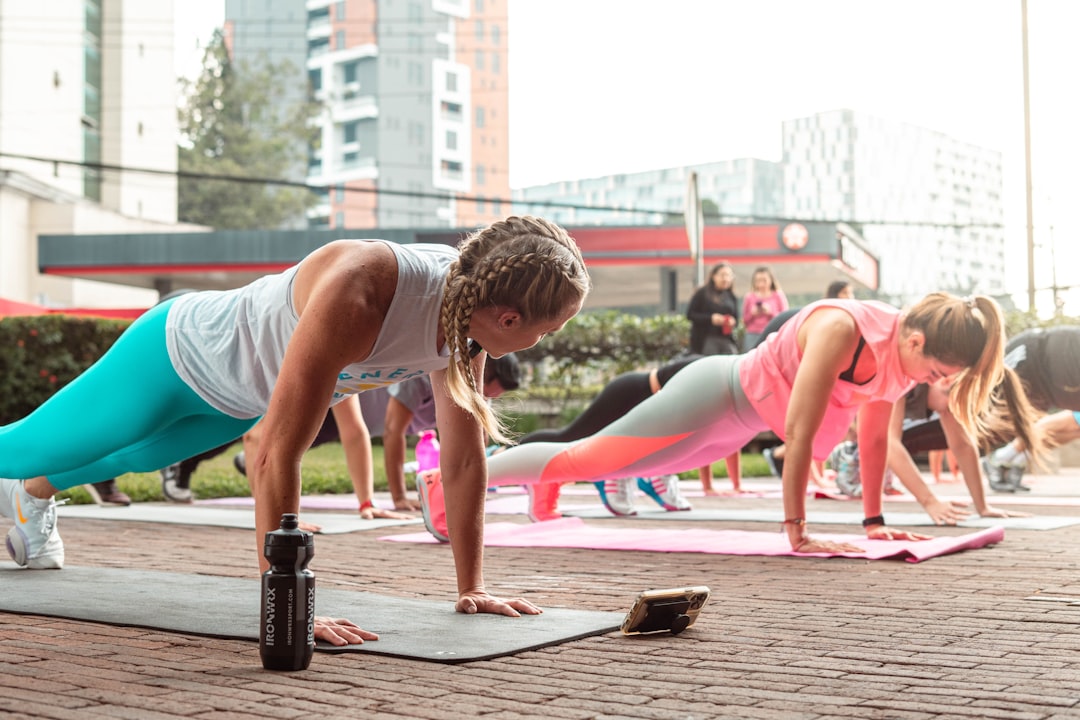
Empowering Flexibility for Lasting Wellbeing through Strategic Fitness Choices
Flexibility is more than just a physical attribute; it is a vital component of overall health and wellbeing. In the realm of fitness, empowering flexibility through strategic choices can lead to lasting benefits that enhance both physical capabilities and mental resilience. This guide explores the importance of flexibility, actionable fitness strategies, common misconceptions, and the latest research findings.
The Importance of Flexibility
Flexibility refers to the range of motion in your joints and muscles. It plays a crucial role in daily activities, athletic performance, and injury prevention. Recent studies have shown that increased flexibility can improve posture, reduce muscle tension, and enhance blood circulation. Furthermore, flexibility training has been linked to improved athletic performance and can even contribute to mental clarity and stress relief.
Benefits of Flexibility Training
-
Injury Prevention: Flexible muscles are less prone to injury. Stretching regularly can help maintain elasticity and decrease the likelihood of strains and sprains.
-
Enhanced Performance: Athletes who incorporate flexibility training often experience improved performance. For example, runners with better flexibility can achieve a more efficient stride.
-
Better Posture: Tight muscles can lead to poor posture. Flexibility exercises can help align the body properly, reducing the risk of back pain and discomfort.
-
Mental Wellbeing: Flexibility training often incorporates mindfulness techniques such as deep breathing and meditation, contributing to reduced stress levels and enhanced emotional balance.
Strategic Fitness Choices for Flexibility
Incorporating flexibility into your fitness routine requires strategic planning. Here are practical strategies to empower your flexibility:
1. Dynamic Stretching Before Workouts
Before engaging in any physical activity, perform dynamic stretches to warm up your muscles. Movements like leg swings, arm circles, and torso twists help prepare your body for exercise and improve your range of motion.
2. Static Stretching Post-Workout
After your workout, dedicate time to static stretching. Hold stretches for 15 to 30 seconds, focusing on major muscle groups such as hamstrings, quadriceps, and shoulders. This practice helps to lengthen muscles and improve flexibility over time.
3. Incorporate Yoga and Pilates
Both yoga and Pilates are excellent for enhancing flexibility. They promote controlled movements, balance, and strength, all while emphasizing stretching. Attend classes or follow online tutorials to get started.
4. Utilize Foam Rolling
Foam rolling, also known as self-myofascial release, can help alleviate muscle tightness and enhance flexibility. Use a foam roller on areas like your calves, thighs, and back to promote muscle recovery and increase blood flow.
5. Stay Consistent
Consistency is key in any fitness regimen. Aim to incorporate flexibility training into your routine at least two to three times a week. This will yield the best results and help maintain your flexibility over time.
Addressing Common Misconceptions
Many people believe that flexibility is solely determined by genetics, but this is not entirely true. While genetics can play a role, flexibility can be improved with practice and dedication. Another misconception is that stretching should always be painful. Stretching should be a gentle and controlled process; pushing too hard can lead to injury.
Encouragement for Your Wellness Journey
Embarking on a journey to enhance your flexibility can seem challenging, but remember that progress takes time. Celebrate small victories along the way, and don’t hesitate to seek guidance from fitness professionals or join group classes for motivation and support.
Further Reading and Resources
To expand your knowledge on flexibility and wellness, consider the following resources:
- American Council on Exercise (ACE) – Flexibility Training
- Yoga Journal – Yoga for Flexibility
- Mayo Clinic – Stretching: Focus on Flexibility
In conclusion, empowering flexibility through strategic fitness choices can significantly enhance your overall wellbeing. By understanding the importance of flexibility, implementing effective strategies, and addressing misconceptions, you can create a more balanced and healthier lifestyle. Start today by integrating these practices into your routine and witness the positive impact on your life.