


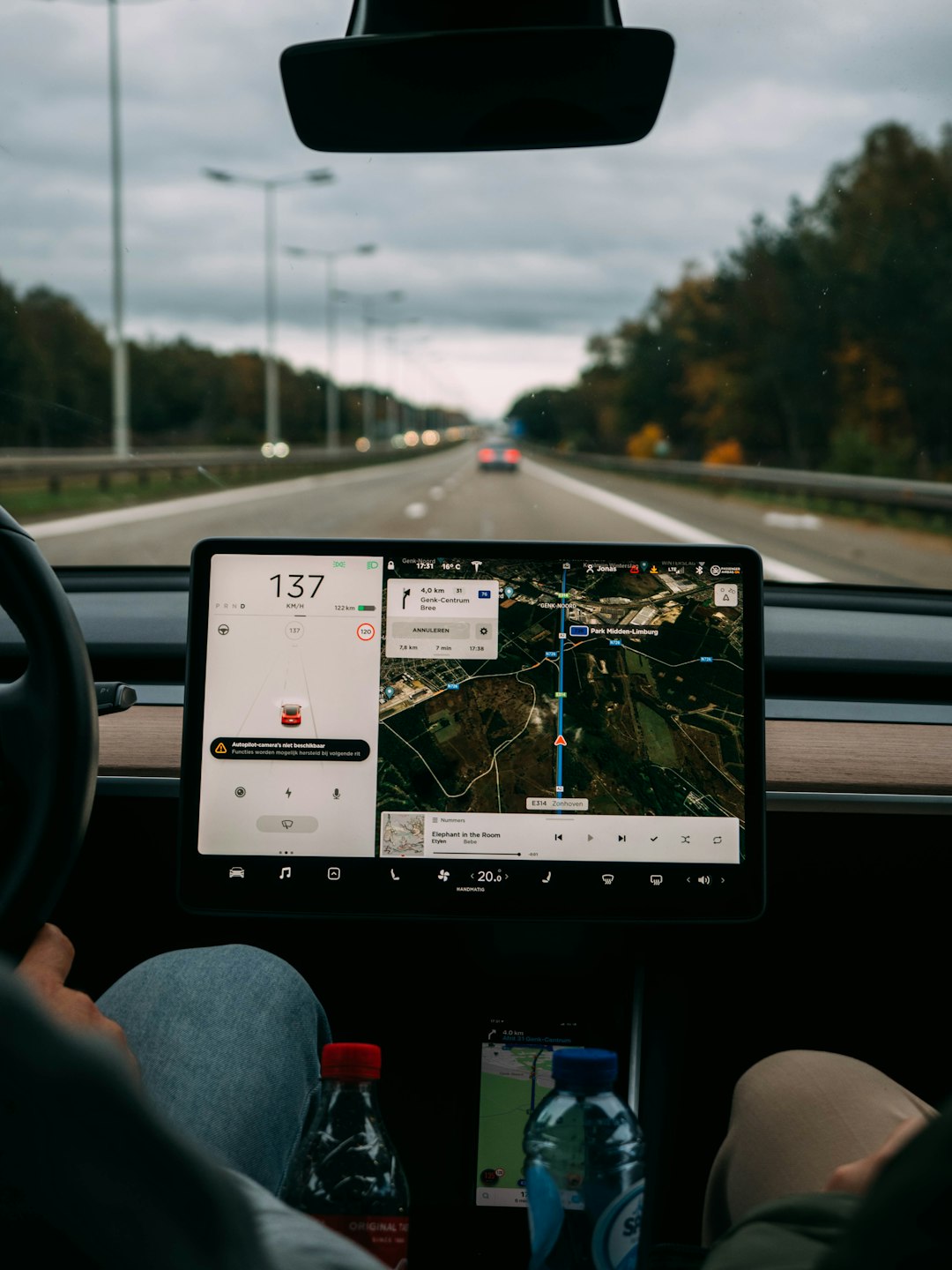
GPS tracking boosts team collaboration for better DPI results
In the rapidly evolving logistics sector, operational efficiency is the cornerstone of competitive advantage. Recent technological advancements suggest that location-based services are far more than simple navigation tools; they act as vital catalysts for organizational synergy. When a system integrates GPS tracking boosts team collaboration for better DPI results, it fundamentally alters how field agents communicate with headquarters. This shift moves beyond mere visibility, creating a dynamic feedback loop where data drives immediate action and refined metrics improve over time.
Understanding the Role of GPS in Team Dynamics
Real-time location data serves as a powerful mechanism to eliminate guesswork within complex supply chains. When team members possess exact knowledge of resource locations, unnecessary friction decreases significantly. This transparency encourages proactive communication rather than reactive problem solving during critical delivery windows. By leveraging these insights, managers can allocate tasks dynamically, ensuring that high-priority zones receive immediate attention without delay.
The integration of location services fosters a culture where data is shared openly among peers. This openness reduces silos and allows for seamless handovers between different departments. Consequently, the overall workflow becomes more fluid, directly impacting how teams interact during shifts or unexpected route changes.
Optimizing Performance Metrics
The ultimate goal of this technology is to improve DPI results. In a logistics context, DPI often refers to Delivery Precision Index, which measures accuracy and adherence to schedules. Enhanced coordination leads to fewer errors in route planning and resource allocation. Consequently, GPS tracking boosts team collaboration for better DPI results by reducing latency in decision-making processes across the organization. Teams align on a single source of truth, minimizing discrepancies between planned routes and actual movements observed in real time.
This alignment ensures that performance data is accurate enough to inform strategic decisions rather than being skewed by manual reporting errors.
Real-World Application
Consider a mid-sized logistics firm utilizing advanced fleet management software. They observed a fifteen percent increase in delivery accuracy after implementing shared location dashboards for their drivers and dispatchers. This case demonstrates how GPS tracking boosts team collaboration for better DPI results is not theoretical but practical application within the industry. Experts note that visibility breeds accountability, which directly correlates with higher performance standards across the board.
Technical Implementation Overview
To visualize how data flows in this ecosystem, consider a simple API payload structure used to update location status:
{
  "timestamp": "2023-10-27T14:00:00Z",
  "location": {
    "lat": 40.7128,
    "lng": -74.0060
  },
  "status": "en_route"
}
This standard format allows systems to ingest location data efficiently without requiring heavy processing power on the client side. Adhering to such standards ensures compatibility across various hardware and software platforms used daily in the field.
Conclusion
To harness these benefits, organizations must adopt compatible hardware and software solutions designed for seamless integration. The market offers various gadgets specifically engineered to integrate with existing workflows without requiring a complete infrastructure overhaul. Embracing this innovation ensures long-term sustainability in a competitive sector defined by technology trends. If you are looking to transform your workflow, consider auditing your current tracking infrastructure today to ensure alignment with modern standards.
For further details on industry protocols, readers might explore documentation from the Global Positioning System standardization body at https://en.wikipedia.org/wiki/Global_Positioning_System. Additionally, sharing these insights helps spread awareness about how GPS tracking boosts team collaboration for better DPI results. Subscribe to our newsletter or share this article with your network to stay updated on future developments in fleet technology and operational efficiency.
technology trends innovation gadgets GPS tracking boosts team collaboration for better DPI results



